Here is the glossary for Chapter 15. Trading the bear is a completely different beast, so let’s cut the fluff and get straight to the new terms:
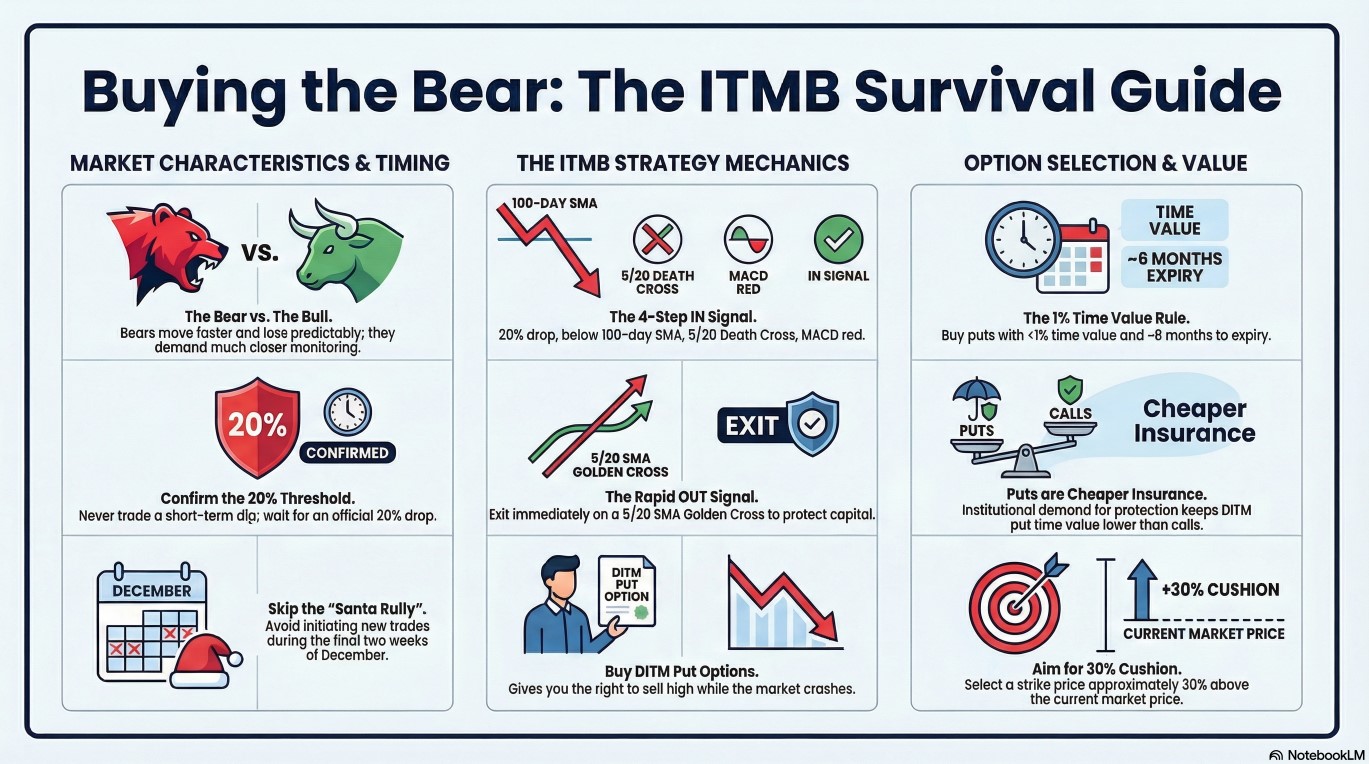
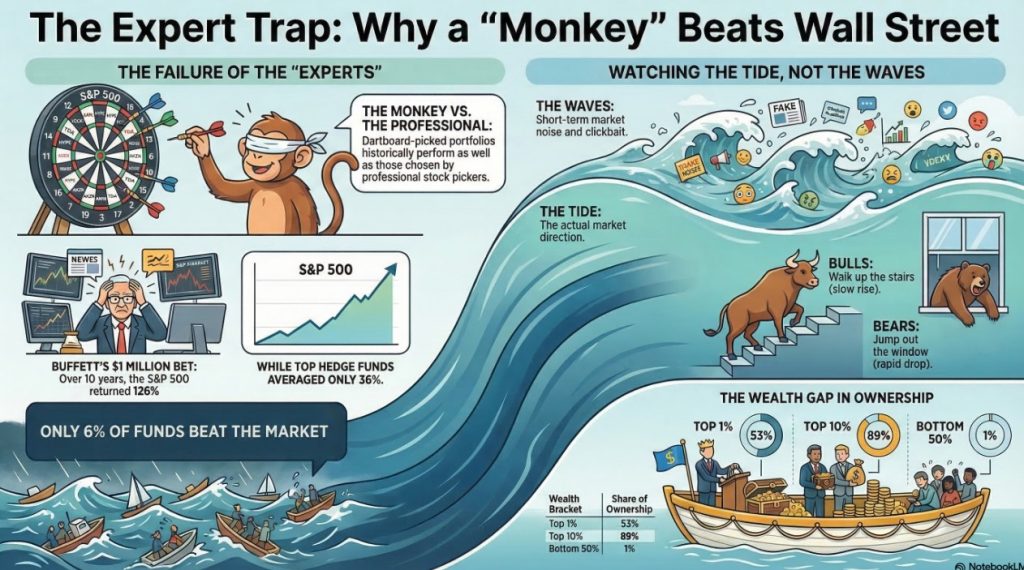
Bear Market: Not your slow, predictable bull. These drops are short, sharp, and unpredictable.
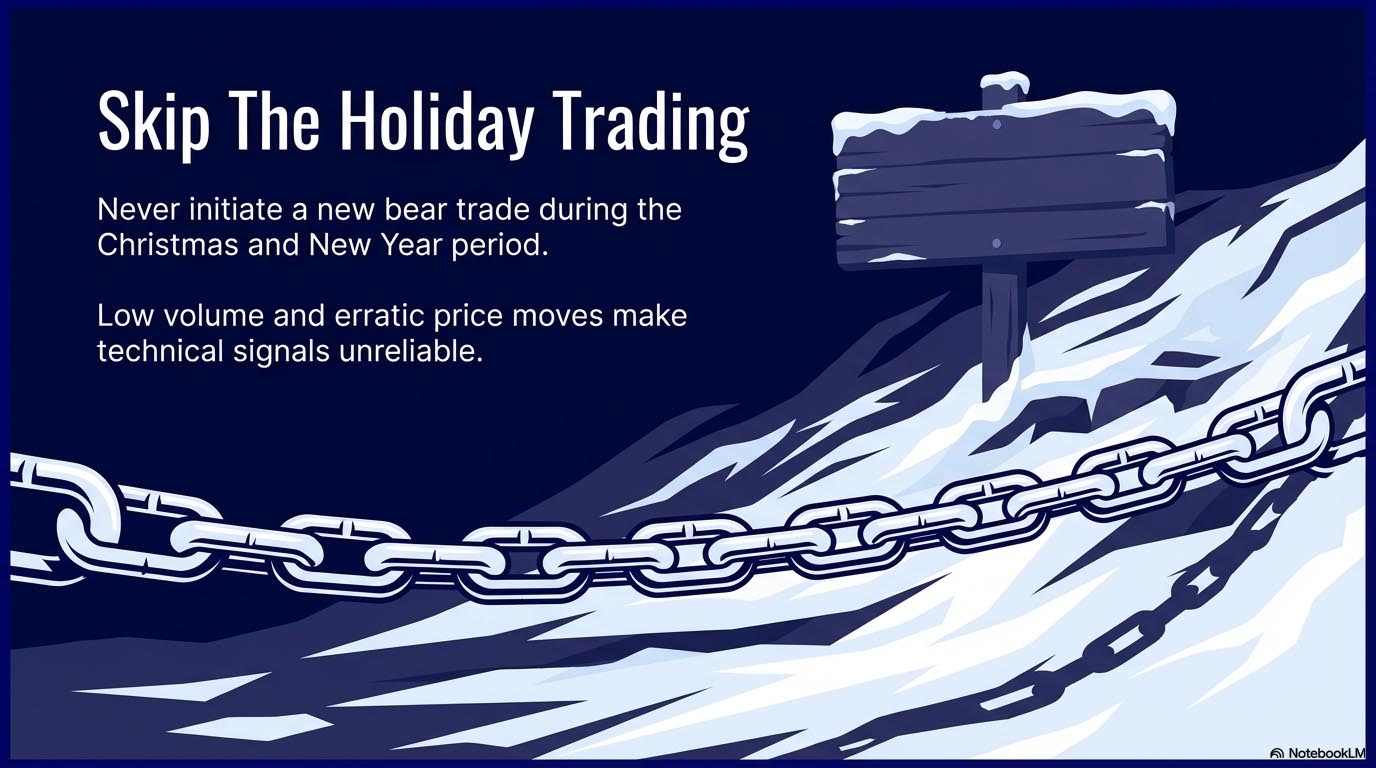
Christmas / New Year Rule: Stay off the trading floor. Low volume and erratic prices make our signals totally unreliable during the holidays. If you aren’t already in a trade, wait until January.
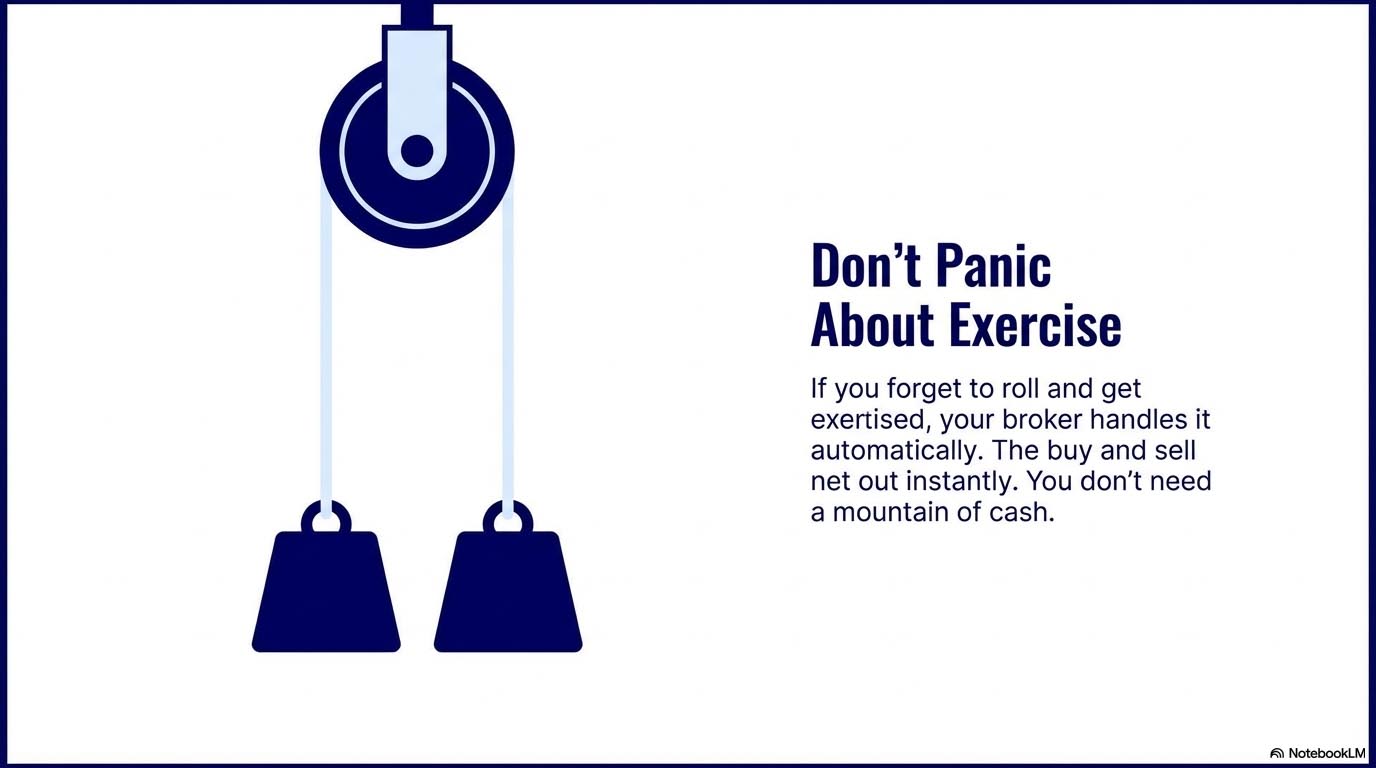
Exercising Puts: Selling 100 shares at your strike price. Your broker handles the math and the T+1 settlement behind the scenes, so you never actually need a mountain of cash sitting in your account to pull it off.
Intrinsic Value (Puts): Your strike price minus the current stock price. It is that simple.
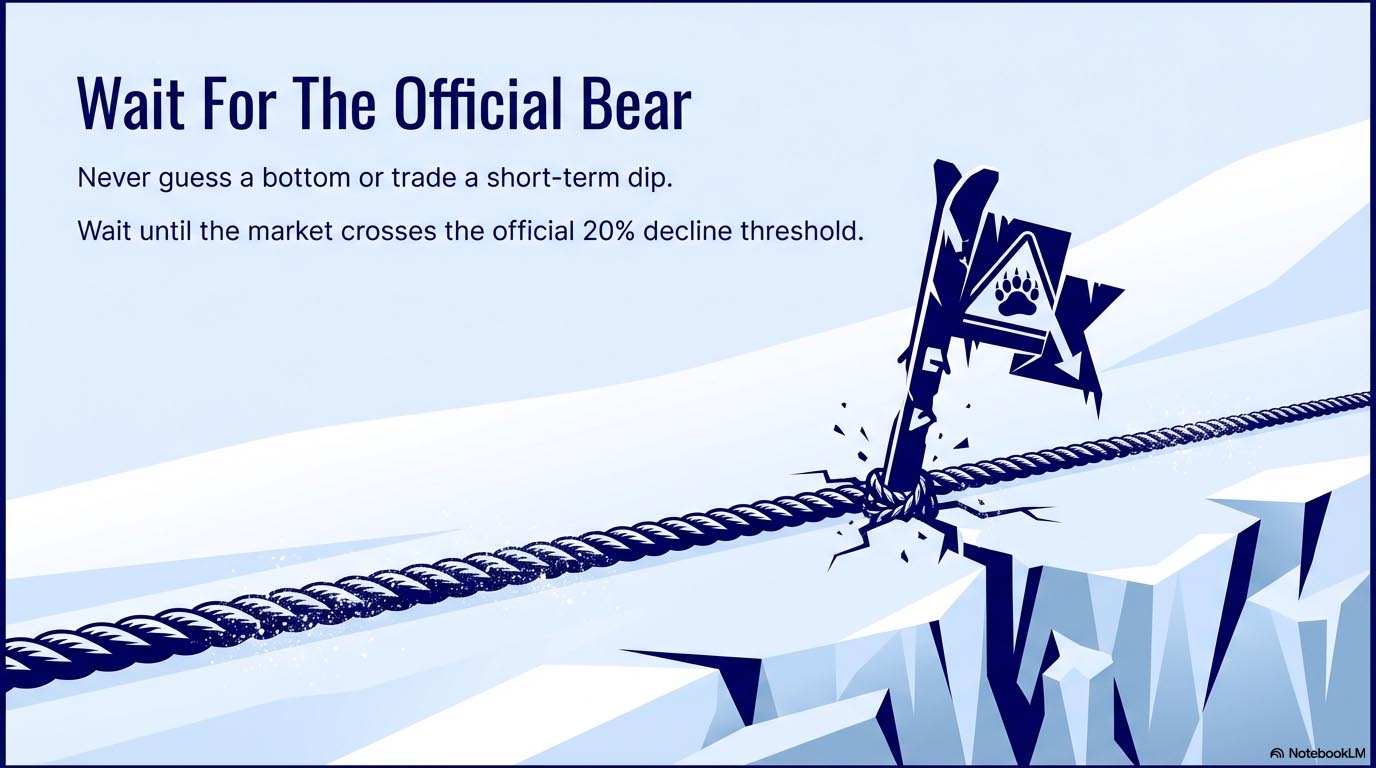
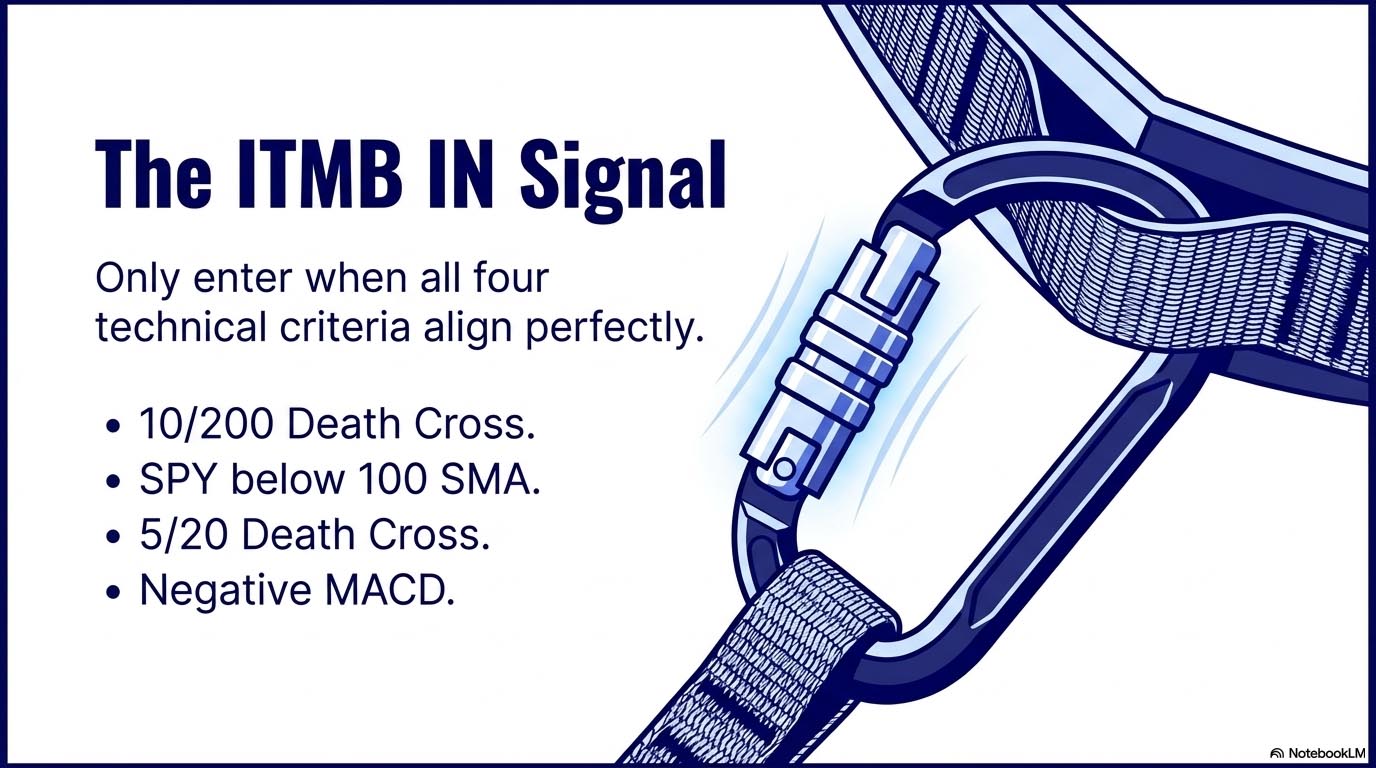
ITMB IN Signal: Your green light to enter a bear trade. It requires four strict criteria: SPY is officially in a 20% bear market, SPY is below the 100-day SMA, a 5/20 SMA death cross hits, and the MACD histogram is red. No gut calls.
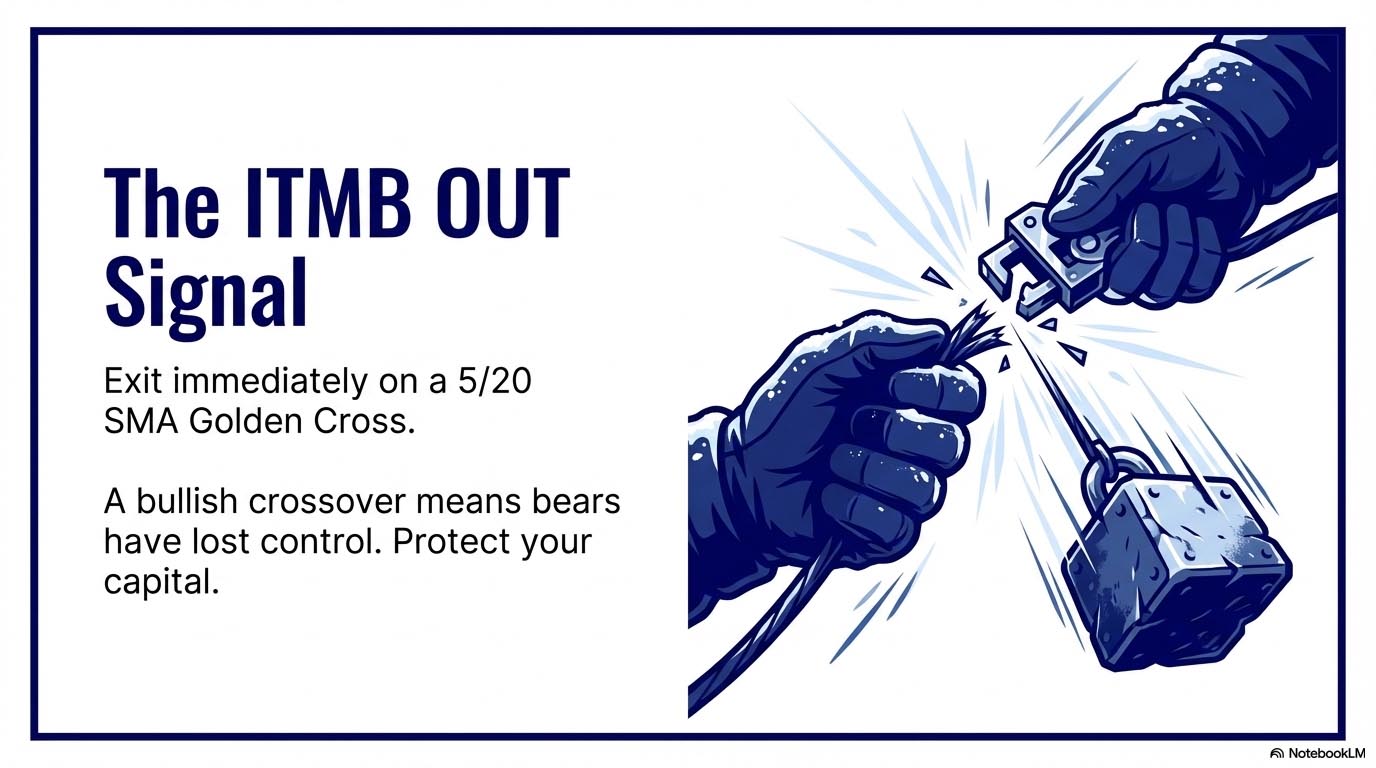
ITMB OUT Signal: A simple 5/20 SMA Golden Cross. It is a highly sensitive, hair-trigger alarm designed to get you out fast and protect your capital the second momentum turns against you.
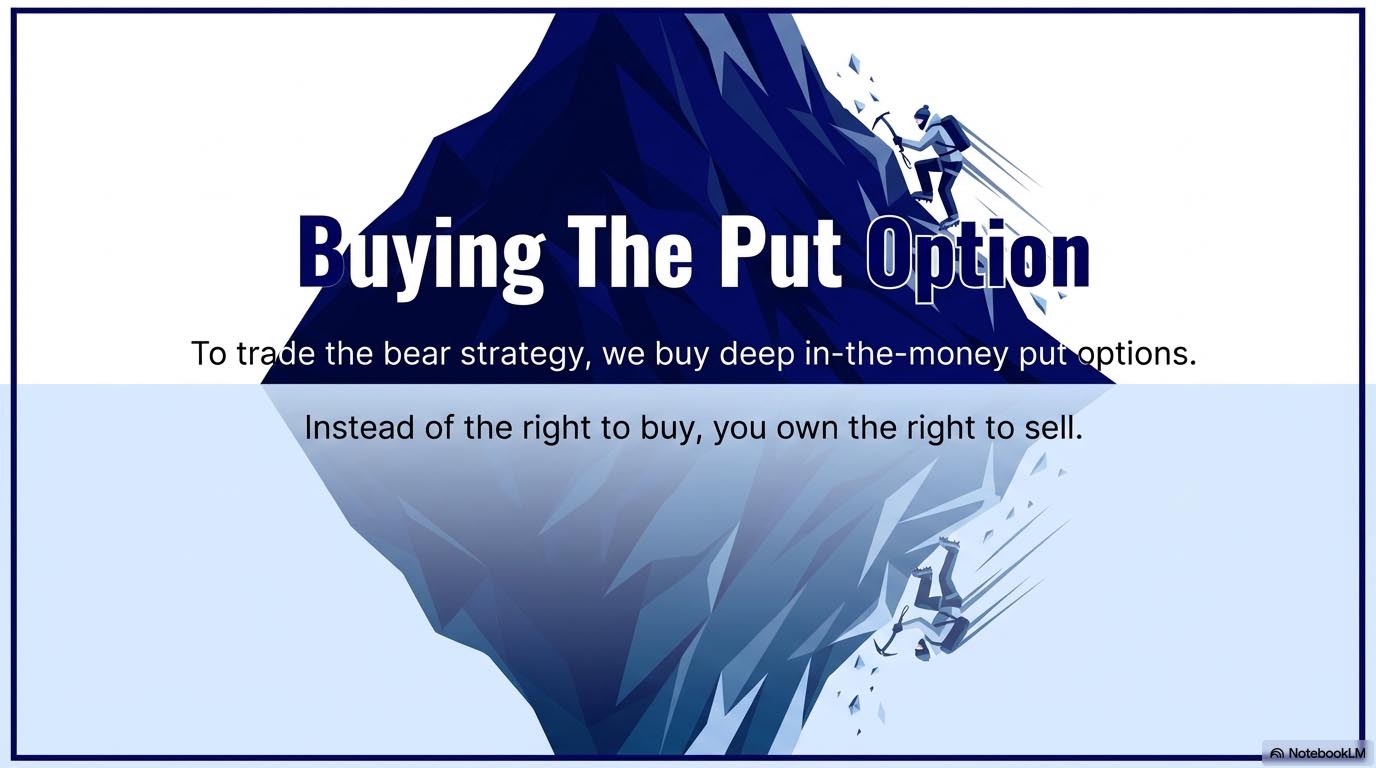
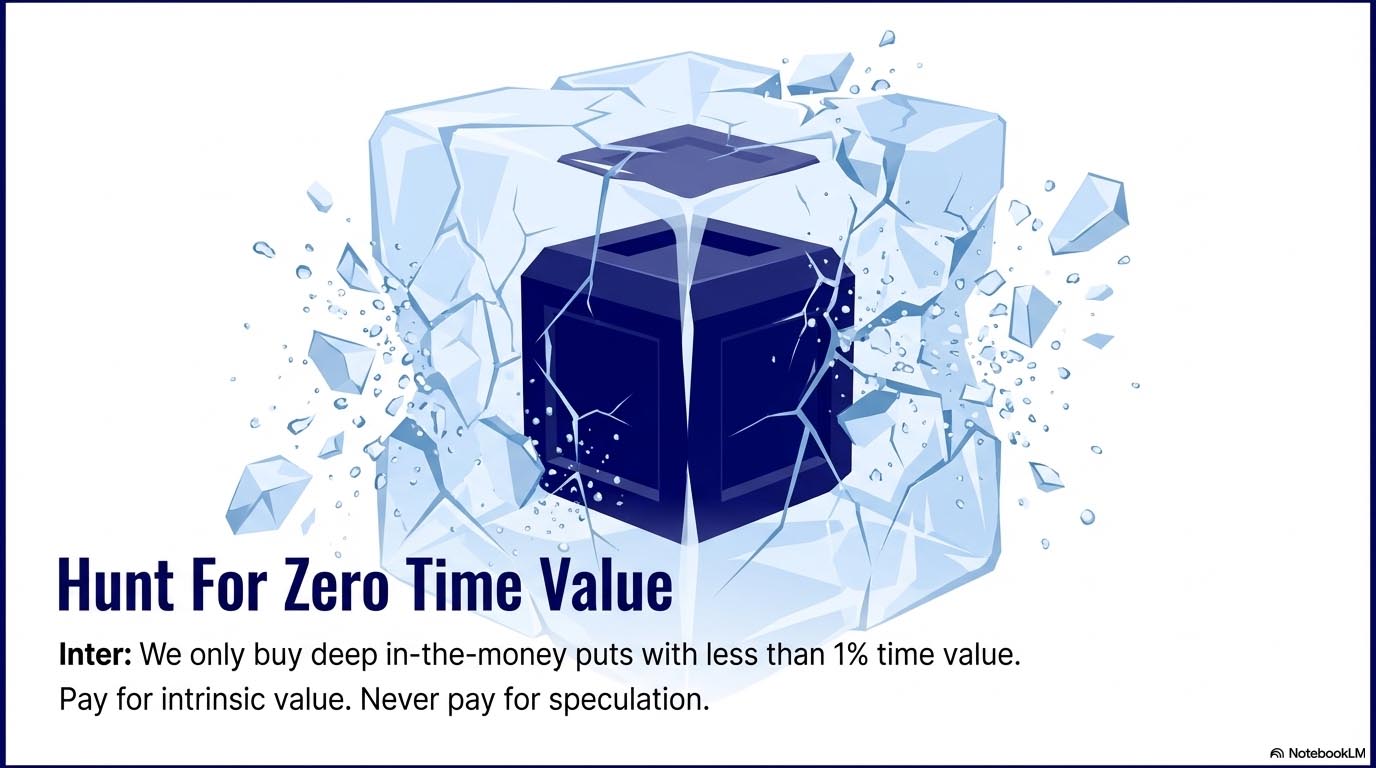
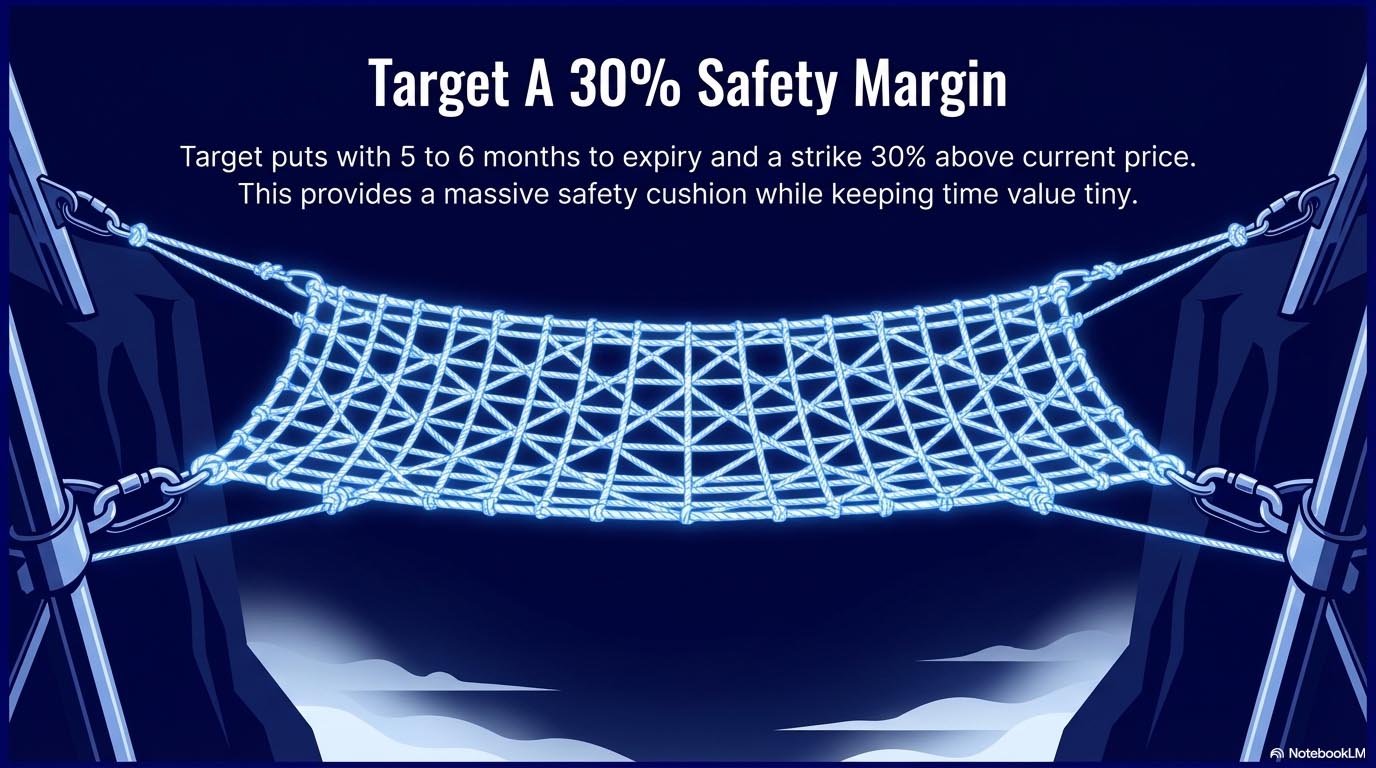
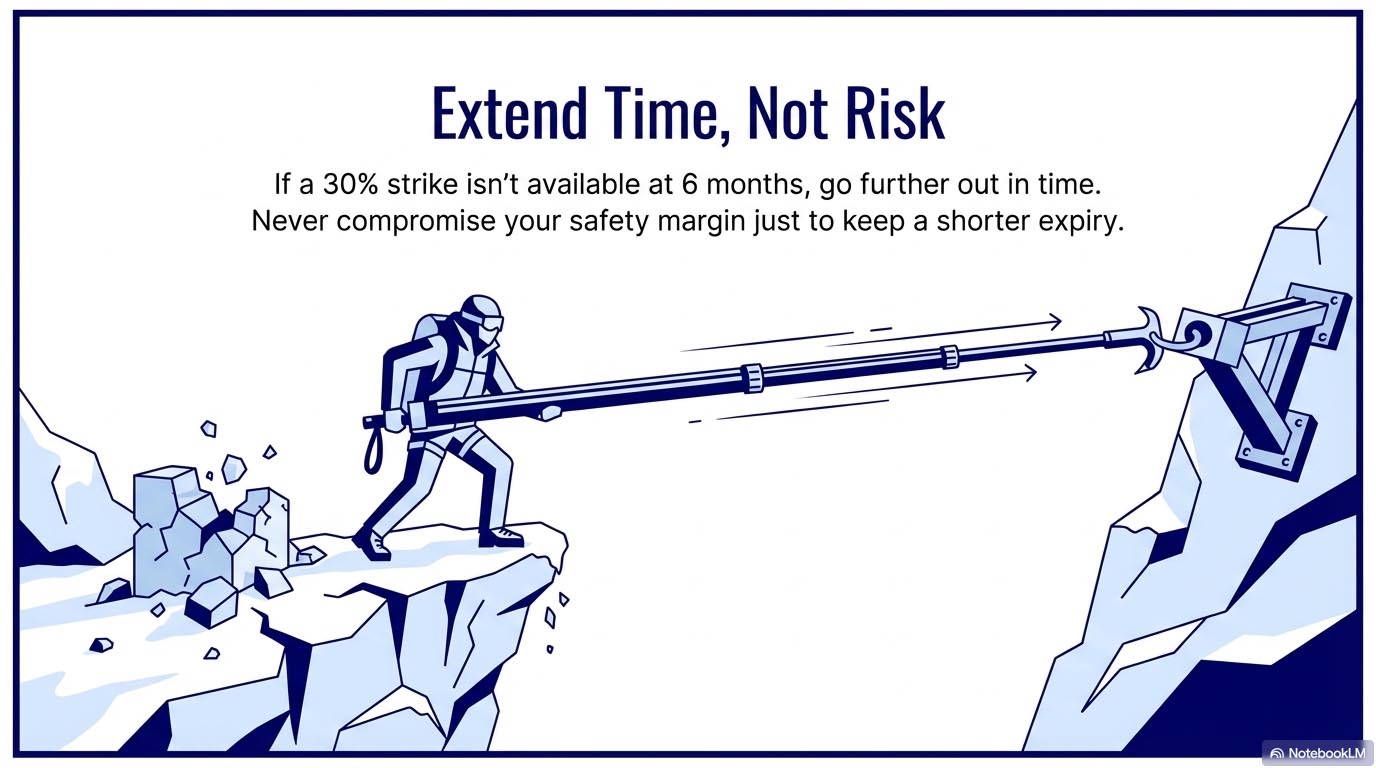
ITMB Put Selection: The exact contract we buy to short the market. We hunt for a put option with 5 to 6 months until expiry and a strike price roughly 30% above the current SPY price, making sure the time value is firmly under 1%.
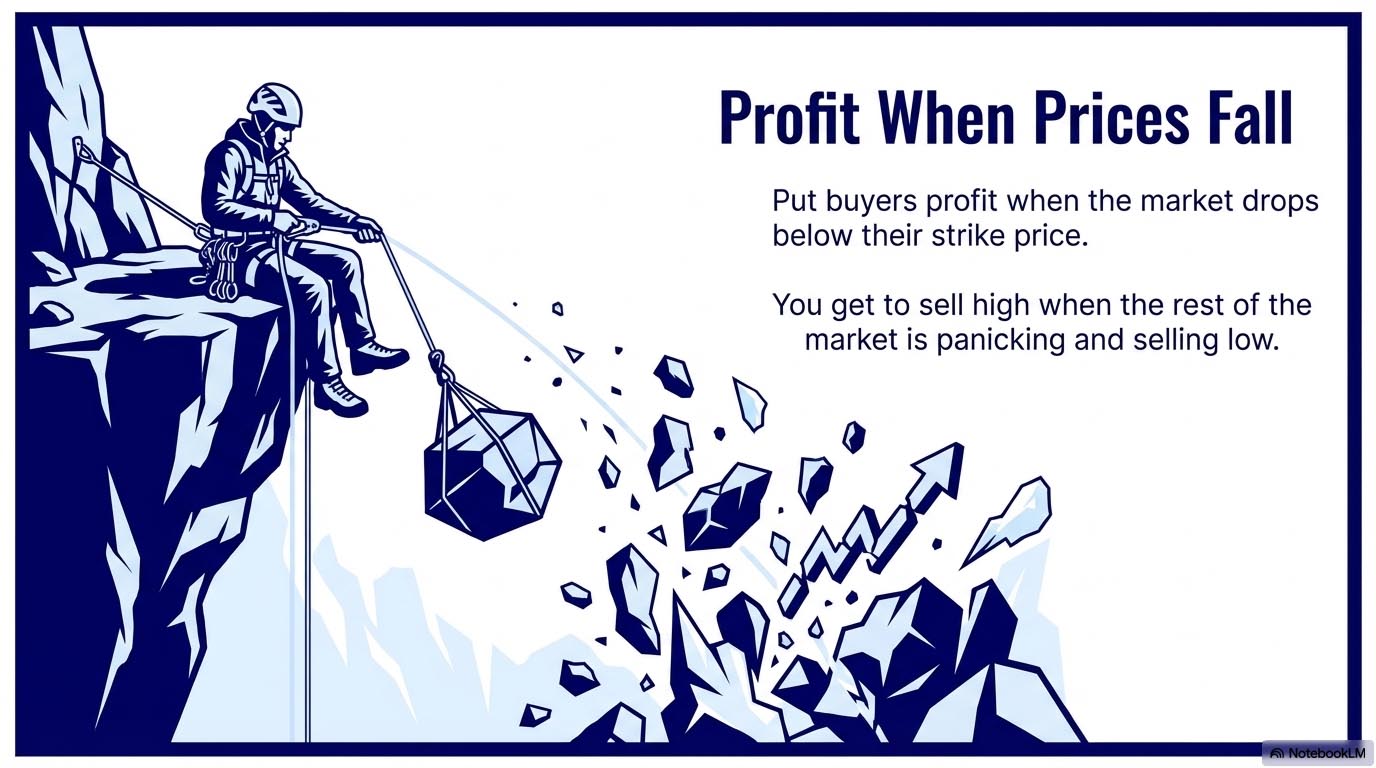
Put Option: The exact mirror image of a call option. It gives you the right to sell shares at a fixed price, allowing you to actually profit when the market tanks.
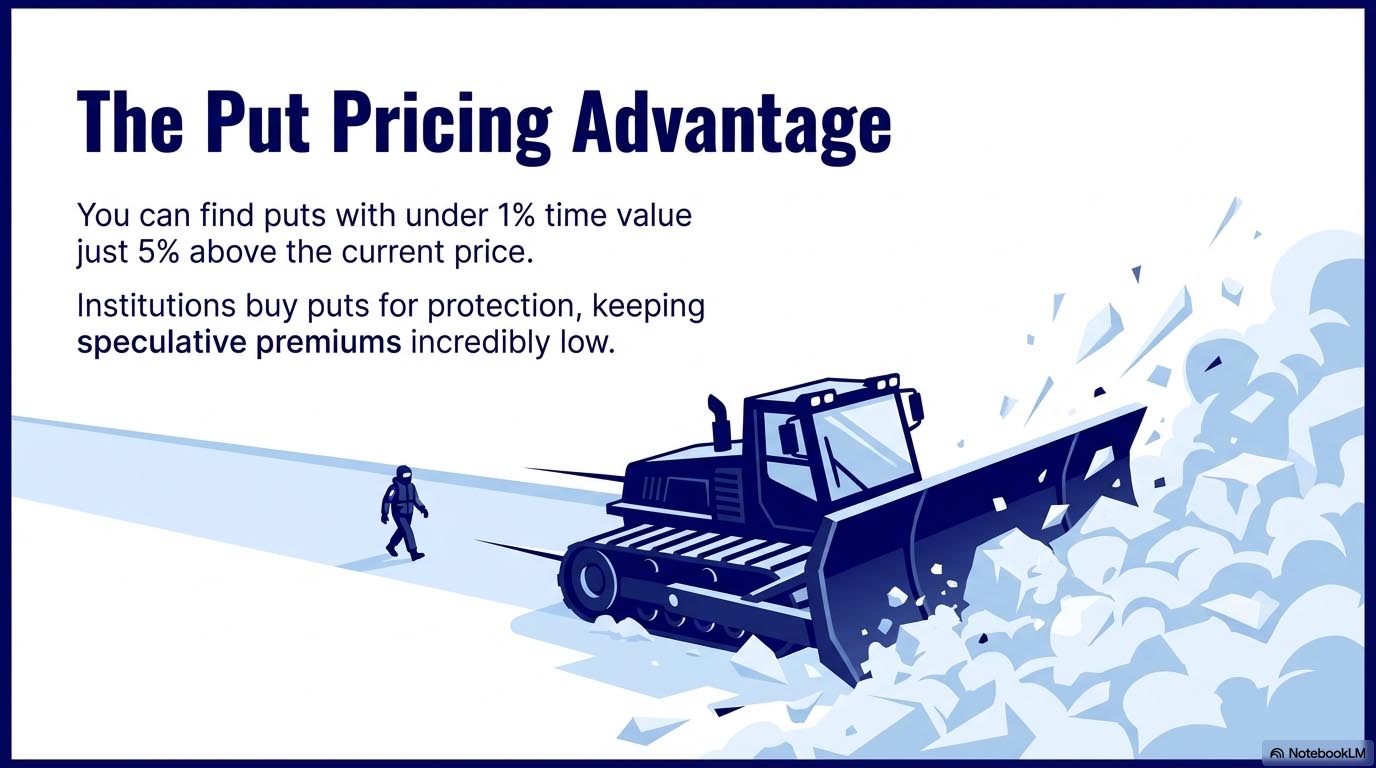
Time Value (Puts): The option premium minus its intrinsic value. Thanks to simple supply and demand, deep in-the-money puts carry almost no time value compared to calls, largely because institutions just use them for boring portfolio insurance rather than risky leverage.