

The market is full of confident advice – most of it useless. This chapter takes apart the ideas, strategies, and “wisdom” that sound convincing but quietly lose traders money.
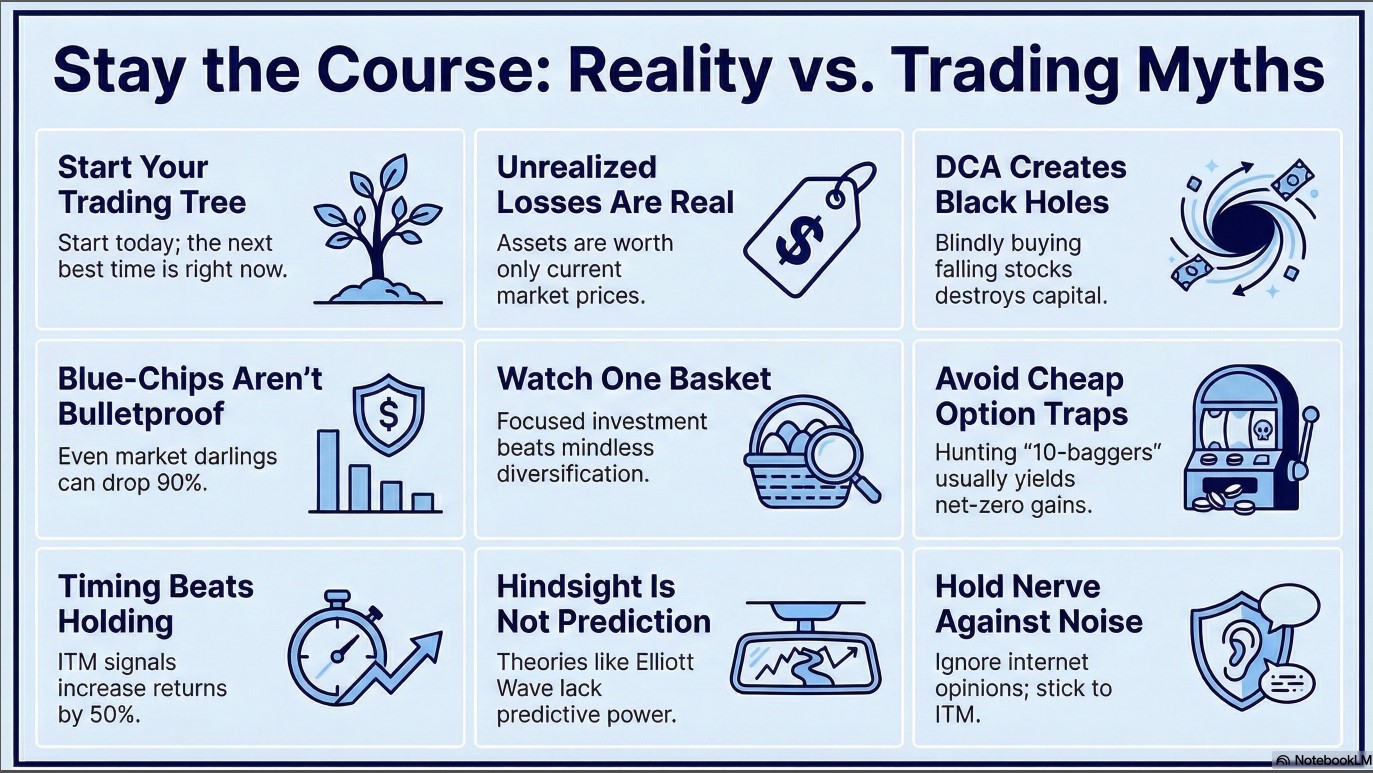







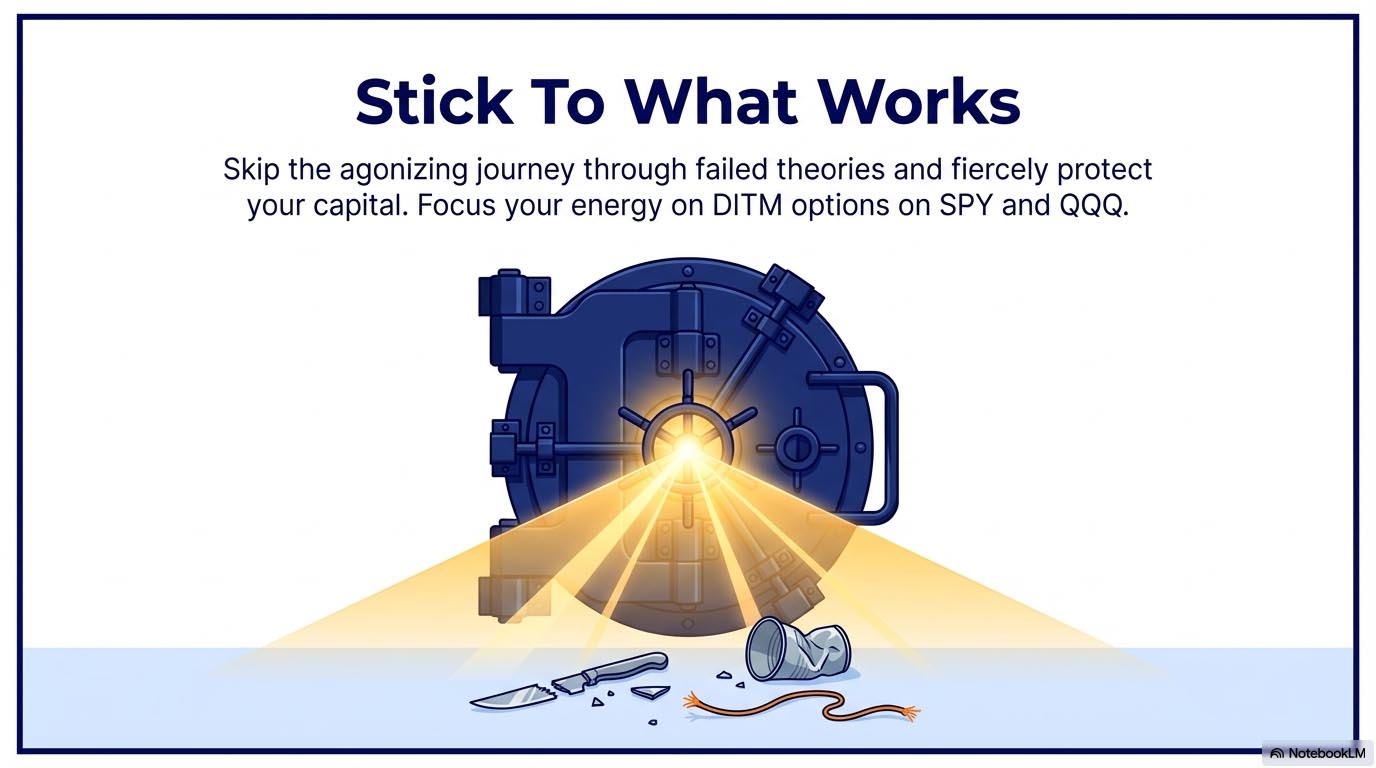
Grab a drink. Coffee / tea / wine / whatever. Well done! We’ve reached the end of the road. Chapter 22 is all about staying the course and ignoring the terrible advice you are guaranteed to hear from people with plenty of confidence but absolutely no track record. Let’s cut through the noise one last time:
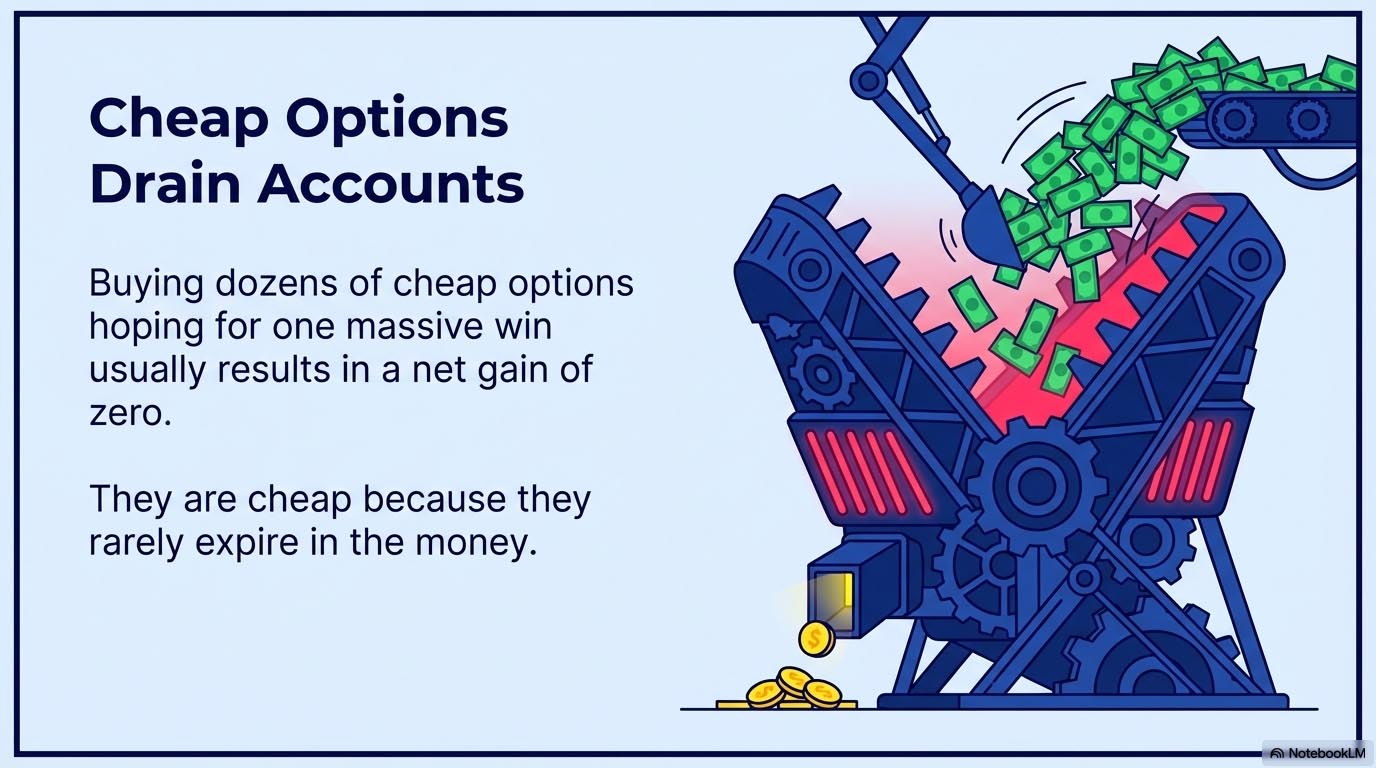
Asymmetric Trading: Risking a small amount of money for a massive potential payout, usually by buying downtrodden stocks and praying for a miracle bounce. A great example is Dry Ships, which wiped out 99.99% of its investors’ money.
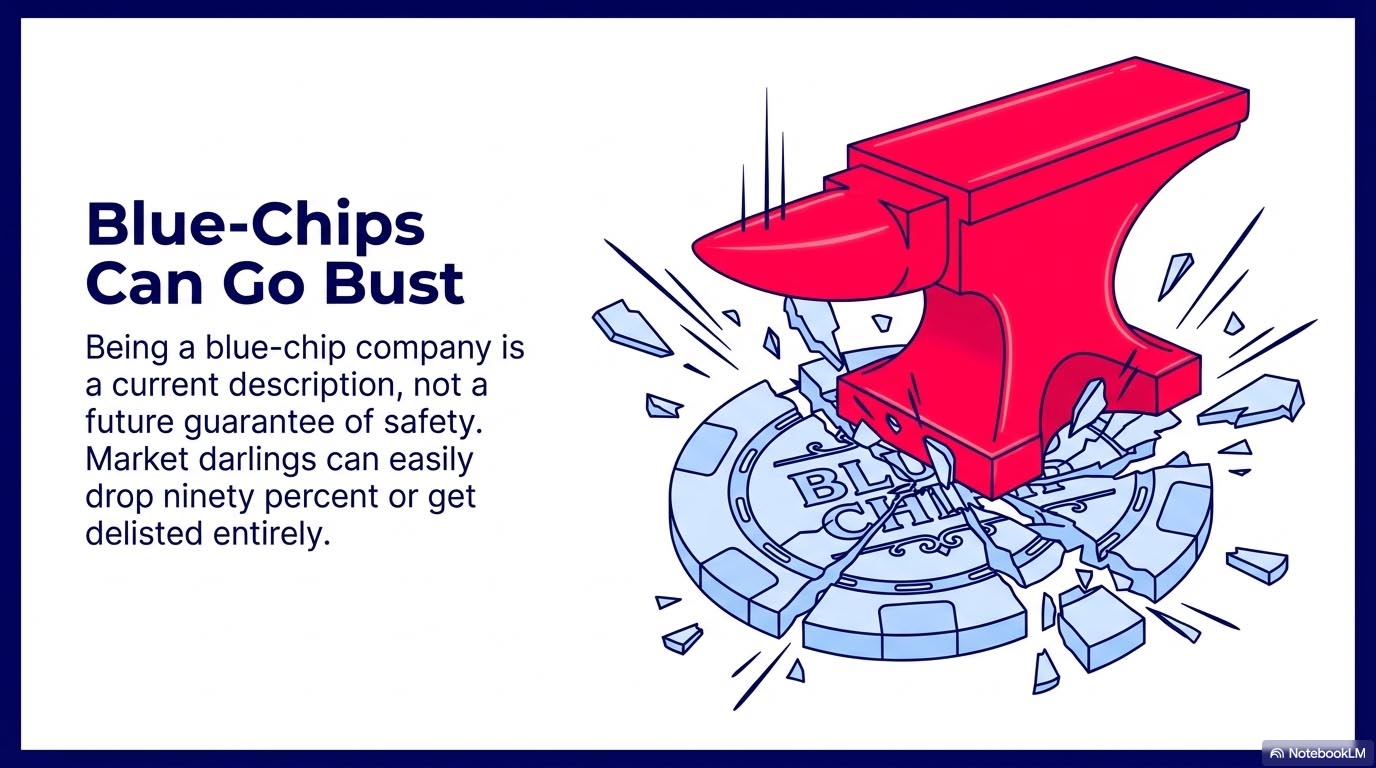
Blue-Chip Stocks: Supposedly “safe” massive companies. In reality, “blue-chip” is just a description, not a guarantee. Just look at Walgreens or Zoom if you want to see how fast these market darlings can crash and burn.
CFD (Contracts for Difference): Speculating on tiny price movements without ever actually owning the underlying stock. They are illegal in the US and a fantastic way to lose 90% of your money in a couple of days.
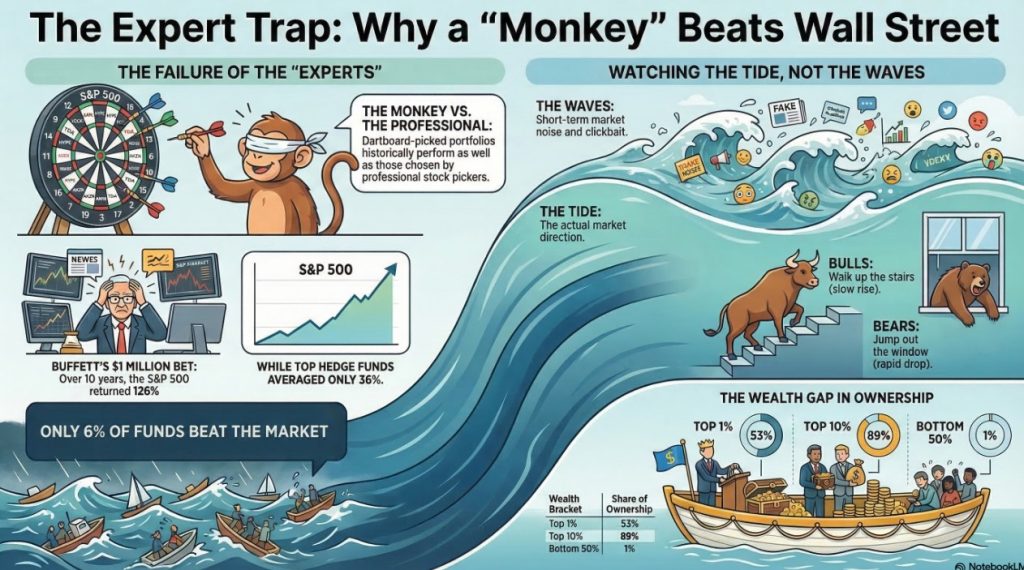
Diversification: The classic advice to spread your money across different assets like bonds, small-caps, and commodities. It is a sure-fire way to guarantee you never outperform the market. You are already diversified enough just by trading SPY.
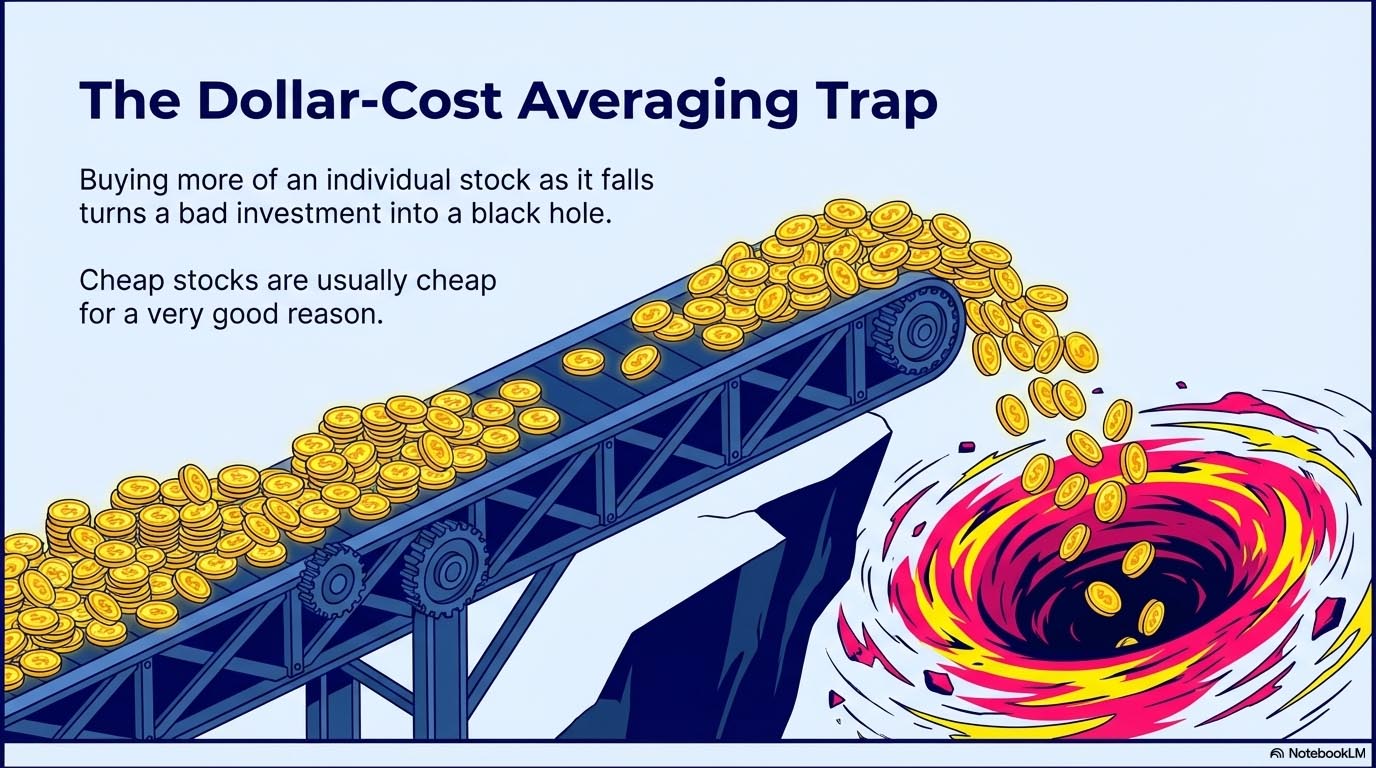
Dollar-Cost Averaging: Blindly buying a fixed dollar amount of stock on a regular schedule, completely ignoring the price. It removes all thinking from the equation, which is exactly why financial advisors love it. Buying all the way down will quickly turn a bad individual stock into a black hole.
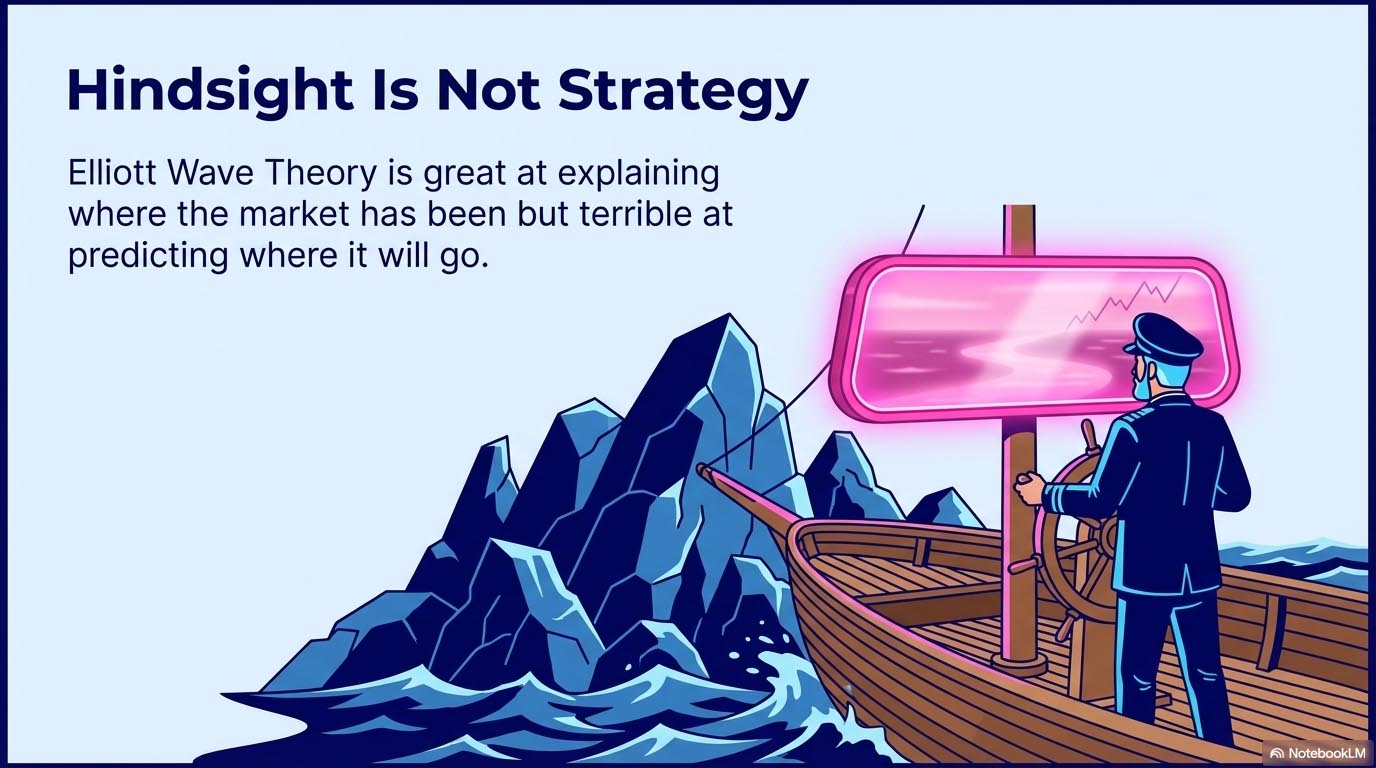
Elliott Wave Theory: A complex charting theory that supposedly predicts market movements. It only actually works in hindsight and is completely useless for predicting where things are actually going.
Forex (Foreign Exchange): A fun, incredibly fast way to lose your entire stake. Only use play money if you decide to mess around with this.
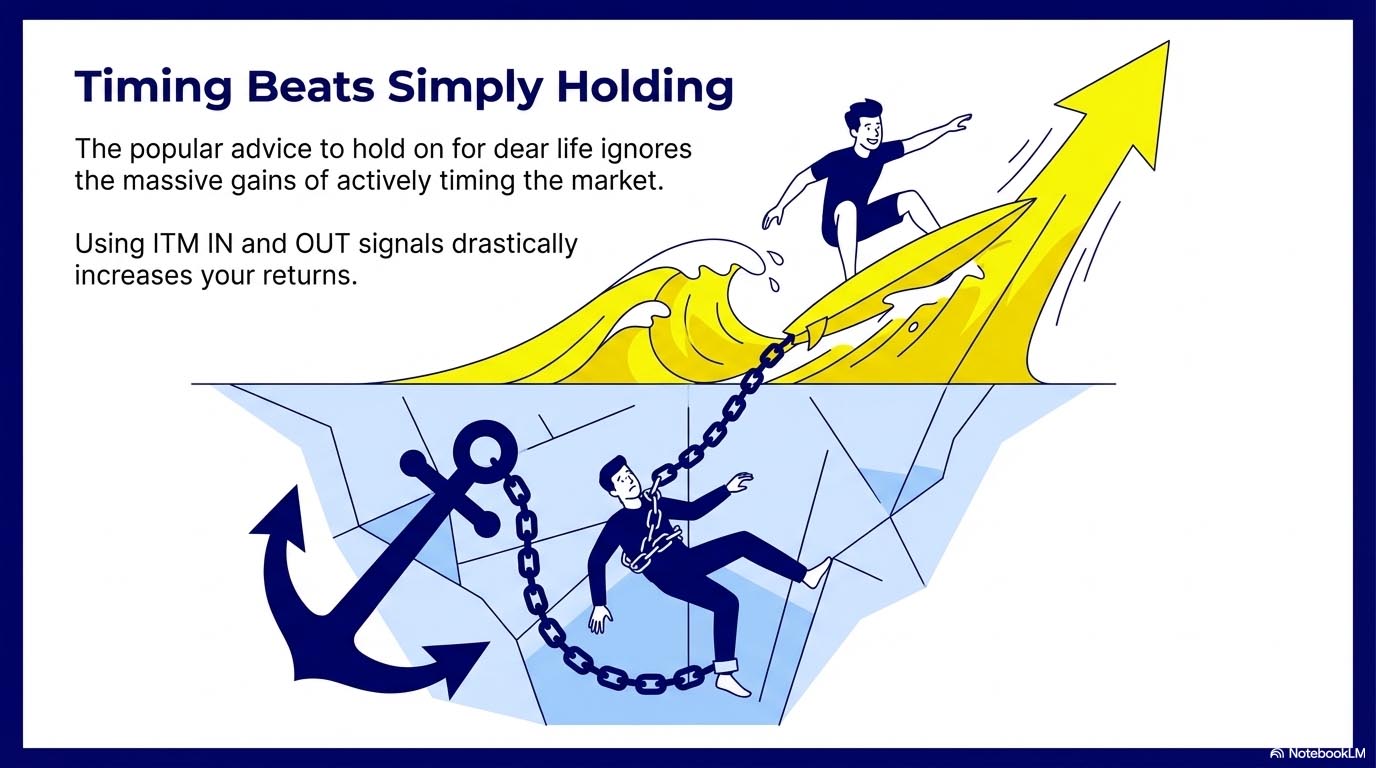
HODL (Hold On For Dear Life) / Time in the Market: The tired advice to just sit tight and endure massive market crashes. Simply using our I-T-M IN and OUT signals easily crushes this lazy approach.
Momentum Trading: Buying stocks that are rising and supposedly selling them right at their peak. This works perfectly if you happen to own a magical crystal ball.
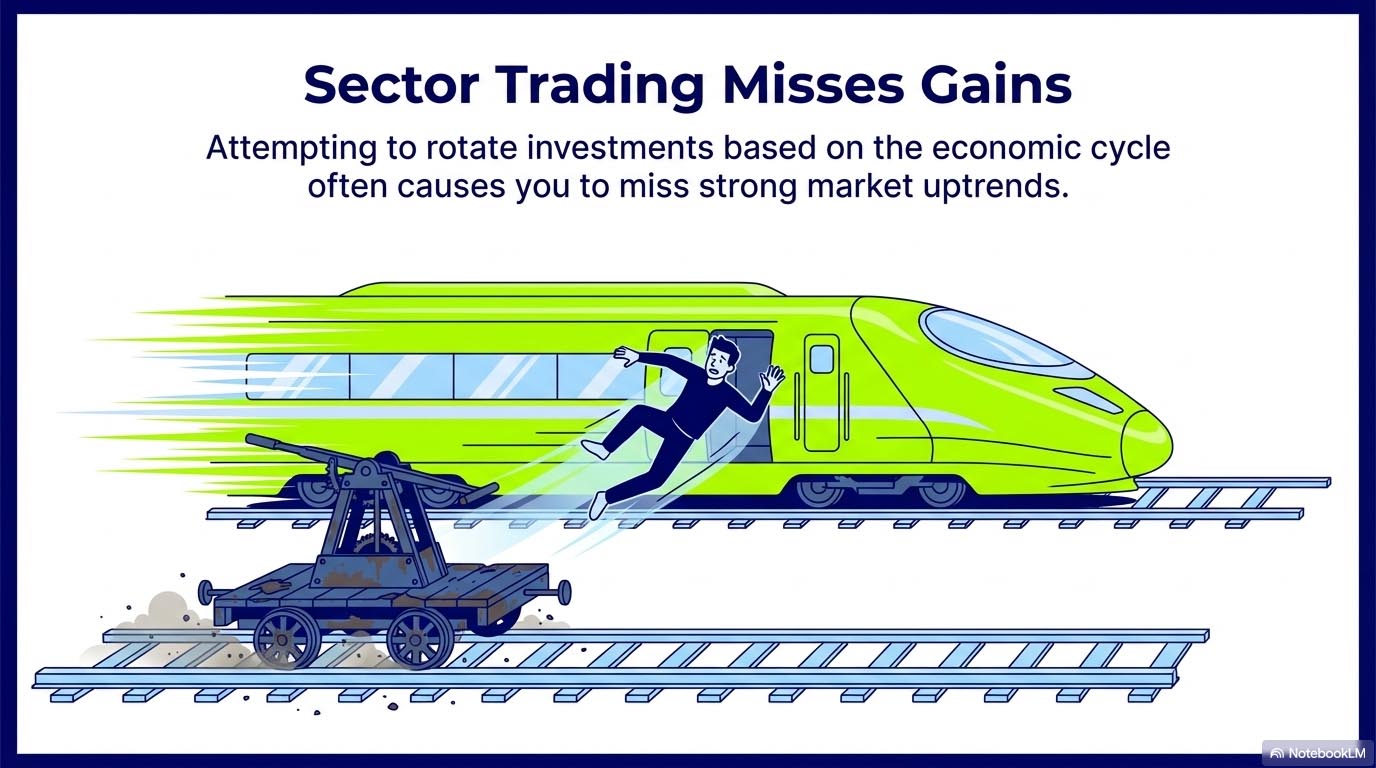
Sector Trading: Trying to constantly rotate your investments between different market sectors based on where you think the economy is heading. An excellent way to miss out on recovery gains entirely.
Swing Trading: Buying and selling stocks over a few days or weeks. It is just stock-picking disguised as a fancy strategy, and we already know that doesn’t work.
Value Investing: Hunting for stocks that are supposedly trading below their “intrinsic value”. A seductive theory that eats up massive amounts of time and rarely makes any actual money.
“You haven’t lost money until you sell”: Pure wishful thinking used by trapped traders to soothe themselves. An asset is only worth what someone is willing to pay for it right now, regardless of whether you sell it or not.
What Works (and What Doesn’t)
Loading...
You scored /
Thank you – your message has been sent.
You will be notified when there is a new blog post.
Please note that Heather answers all questions at the end of the ITM Blog.
Happy trading!
We noticed you're visiting from Australia. We've updated our prices to Australian dollar for your shopping convenience. Use United States (US) dollar instead. Dismiss