Here is a glossary of key terms and concepts discussed in Chapter 8:
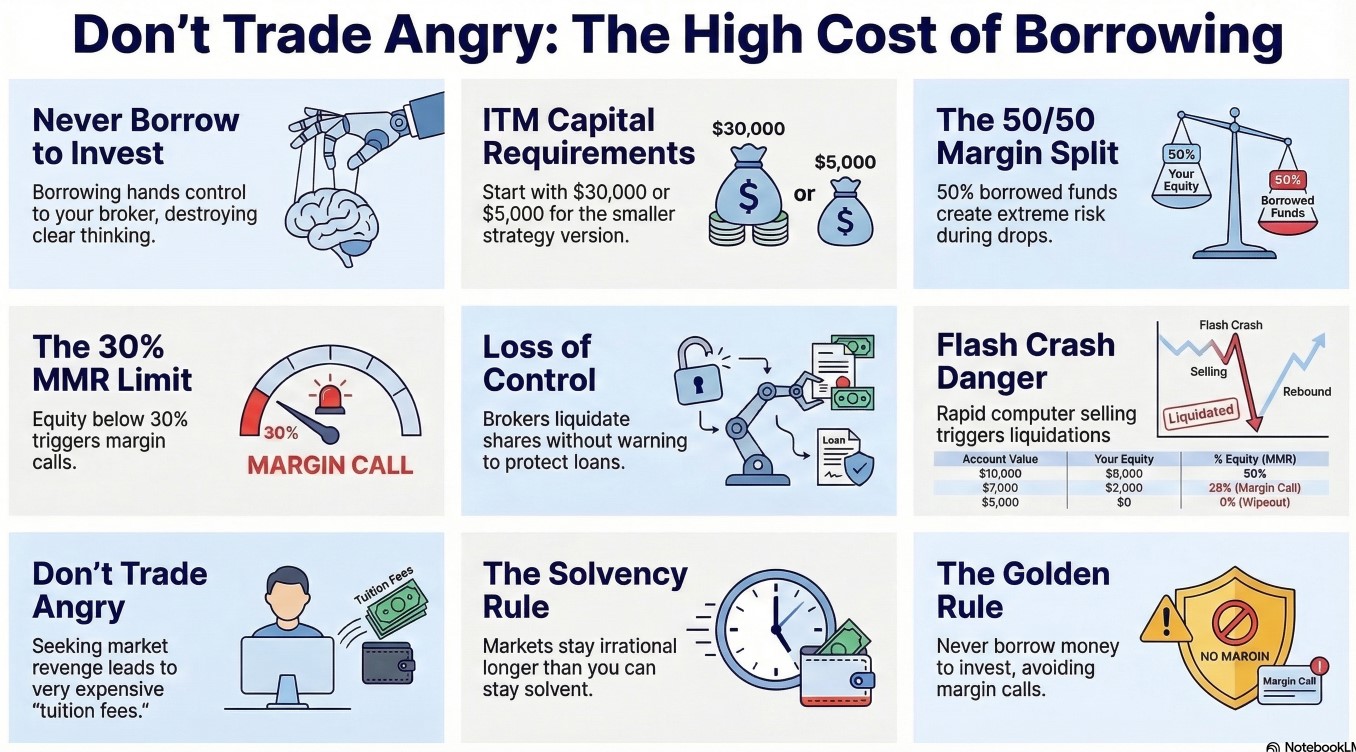
Algorithmic / High-Frequency Trading: Computer-generated trading that executes vast numbers of orders in fractions of a second based on programmed rules. When one trigger fires, it can set off a cascade of selling by other computers.
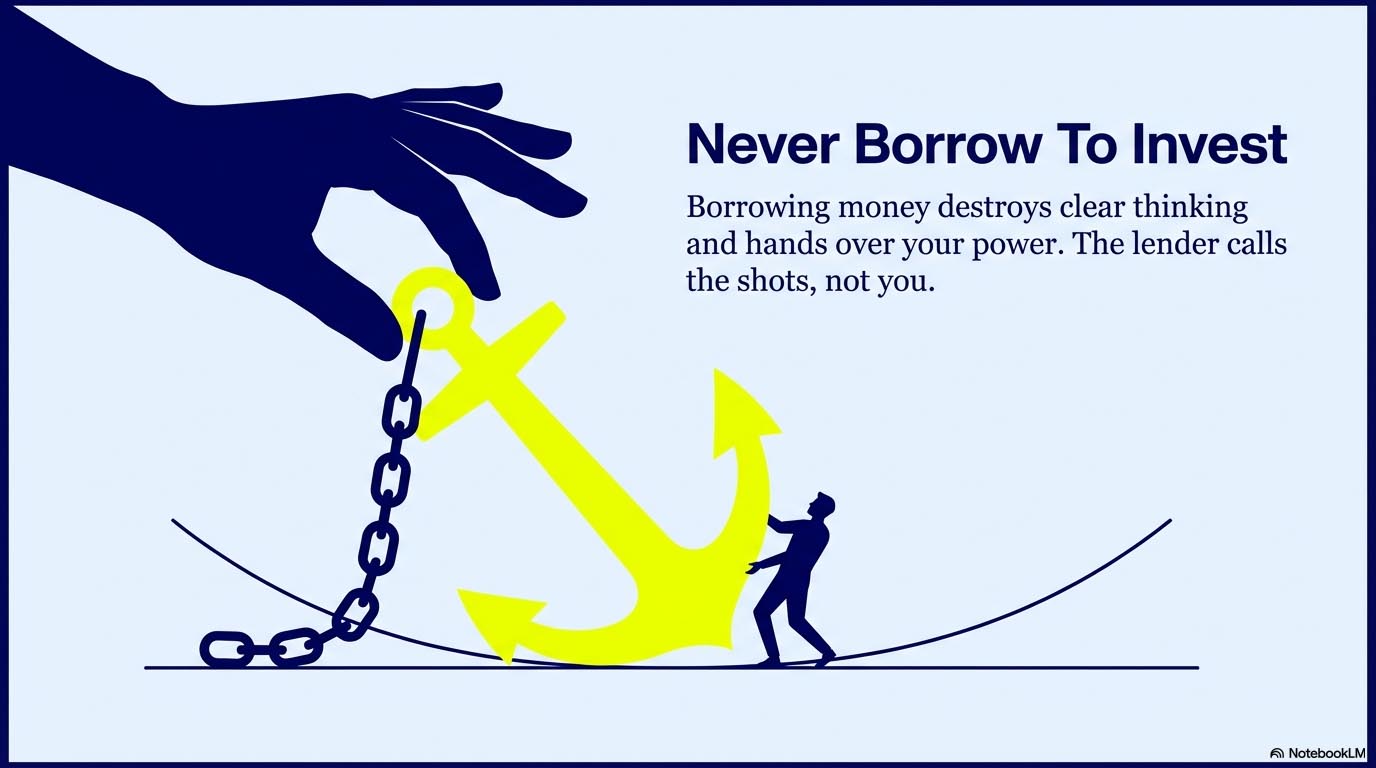
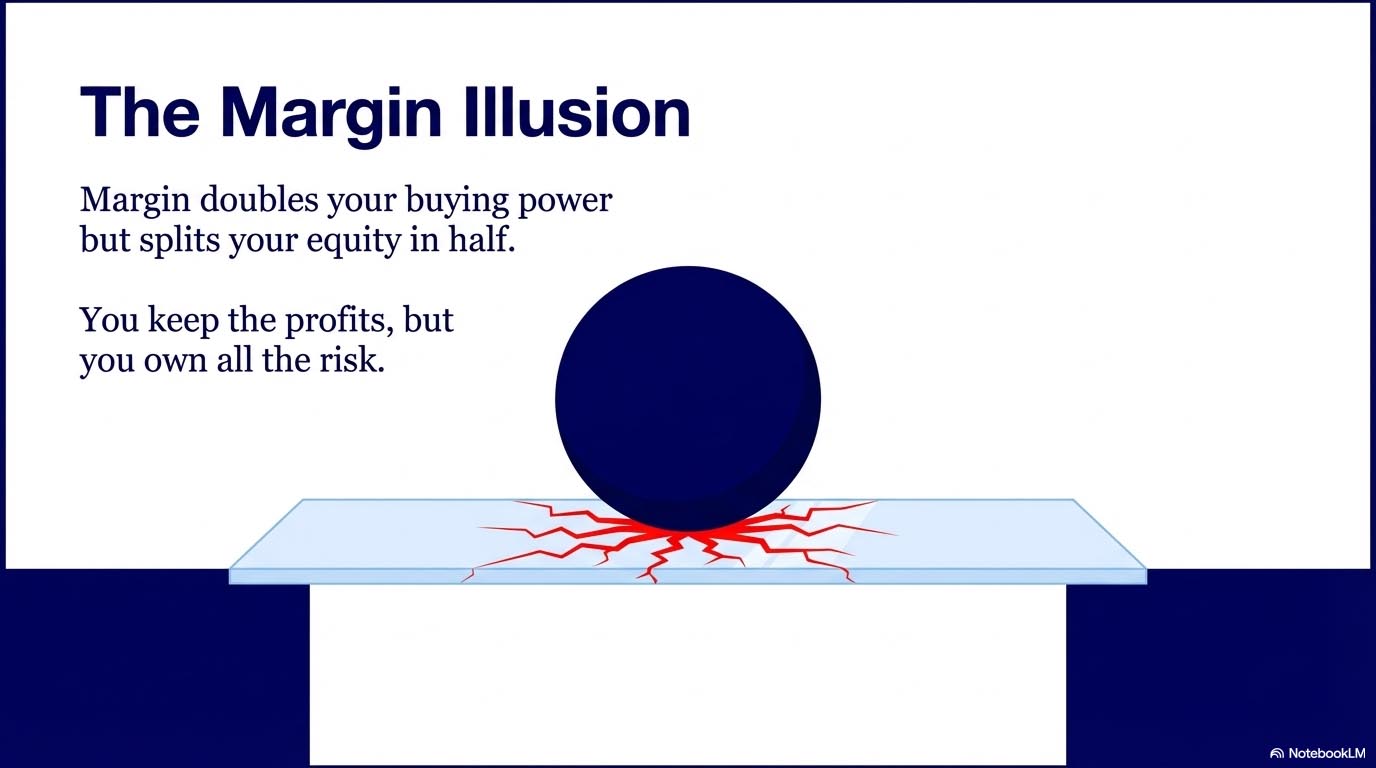
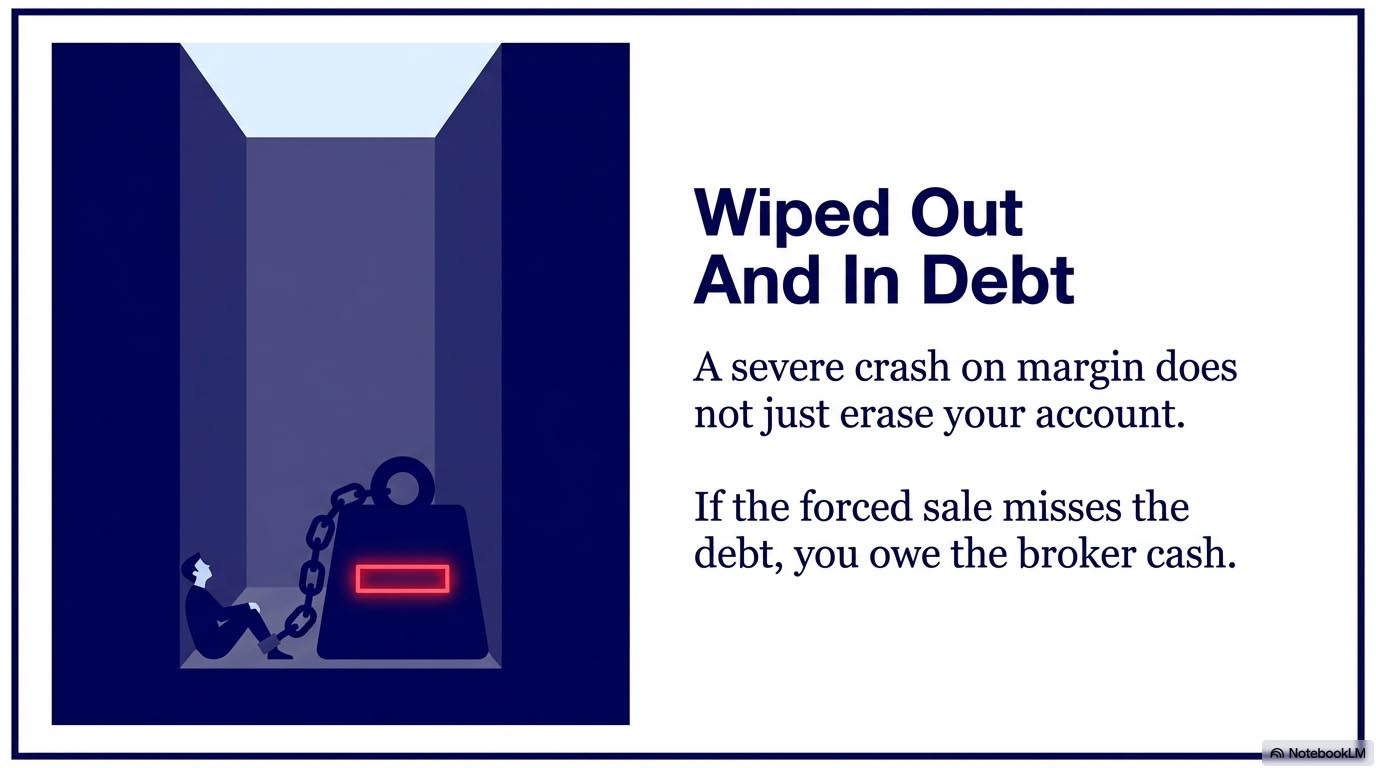
Borrowing to Invest (Trading on Margin): Using a loan from a broker to increase the size of your investments. The author strongly warns against this practice, noting that it destroys clear thinking, introduces the risk of margin calls, and forces you to hand over control of your account to the broker.
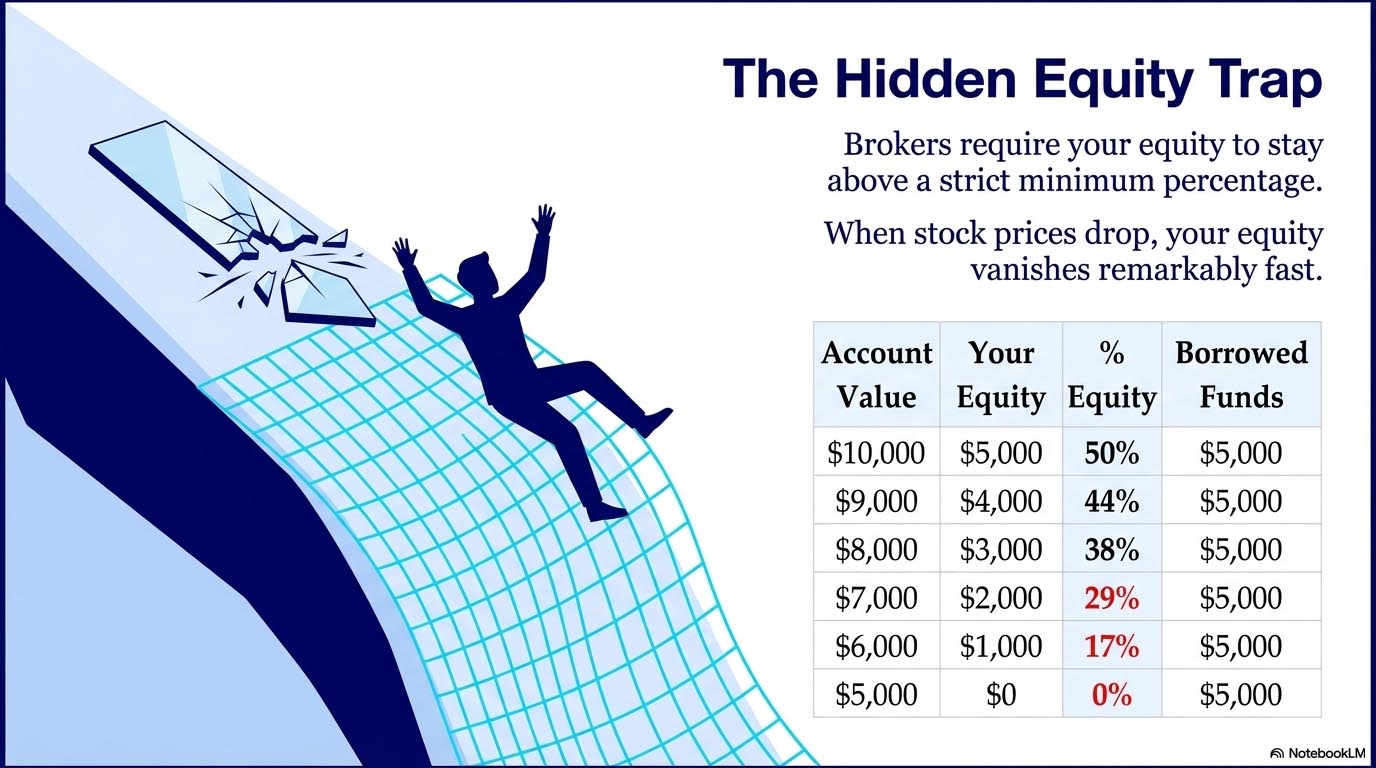
Equity: The portion of a margin account’s total value that actually belongs to the investor. It is calculated as the total account value minus the borrowed funds.
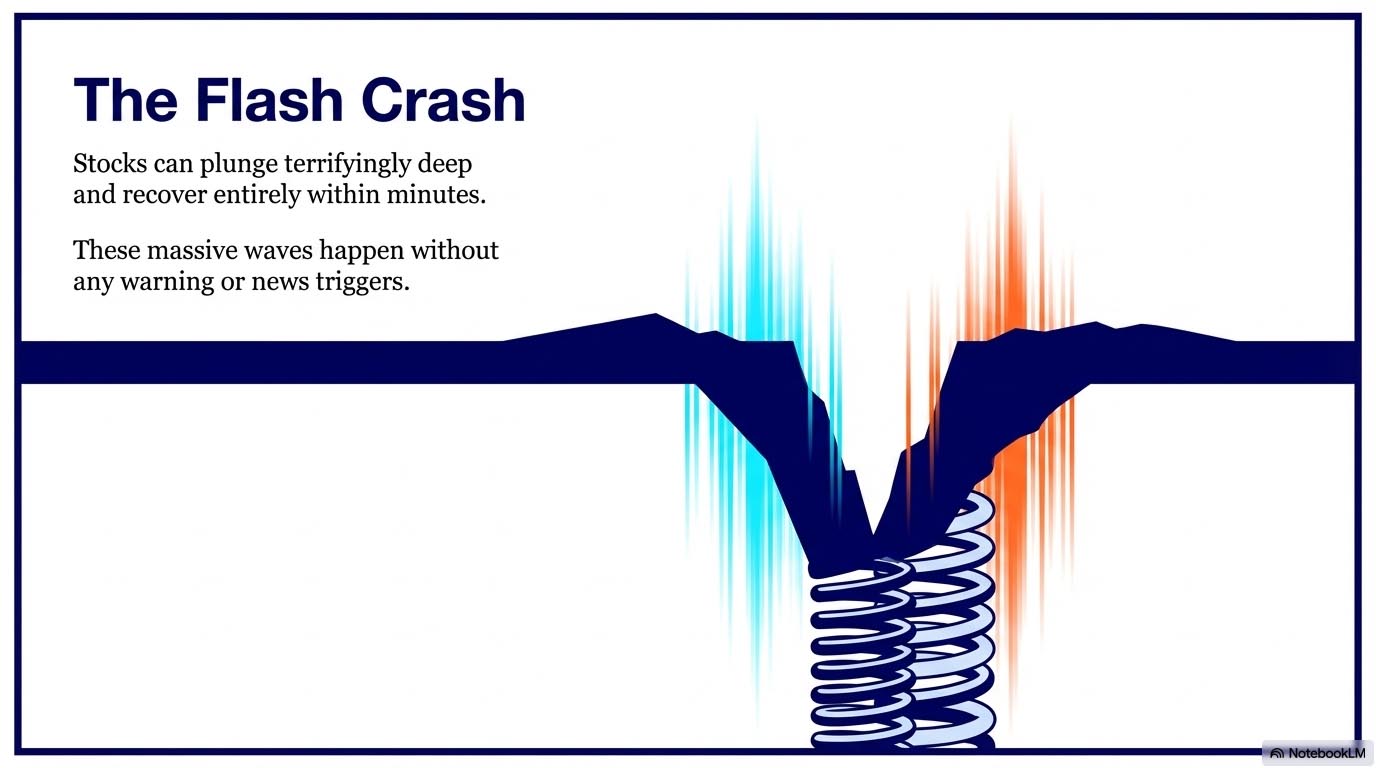
Flash Crash: A sudden, severe drop in stock prices followed by a rapid recovery, often occurring within minutes. These crashes are typically driven by cascading computer algorithms rather than actual news events.
Maintenance Margin Requirement (MMR): A rule buried in margin agreements dictating that an investor’s equity must remain above a specific percentage (usually around 30%) of the total value of their holdings.
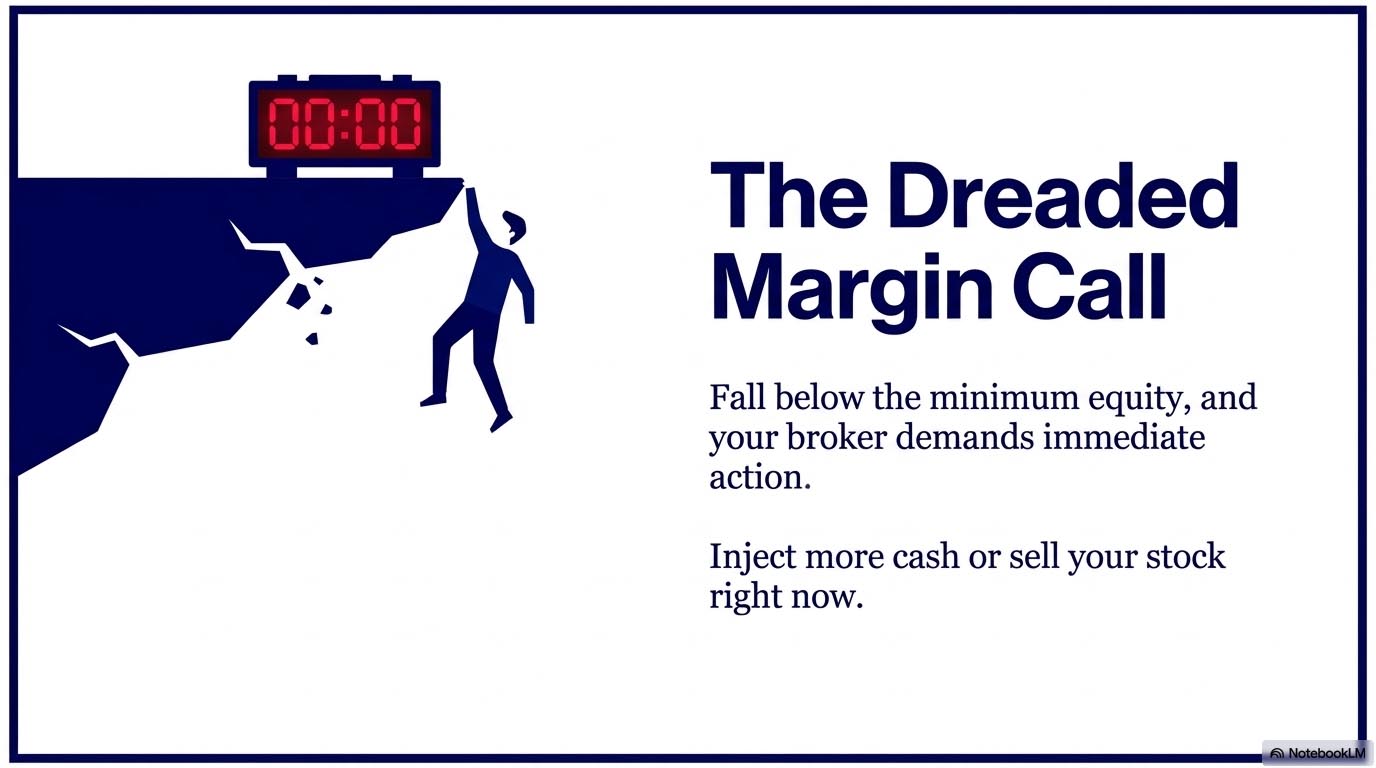
Margin Call: A painful demand from a broker to either deposit more cash or sell off stock because an account’s equity has fallen below the MMR. If the investor does not act, the broker has the legal right to liquidate the investor’s positions without asking, potentially wiping out their capital.
Naked Puts: A highly risky options strategy where the downside is not capped. The author confesses to losing $40,000 by writing naked puts on European indexes while day trading.
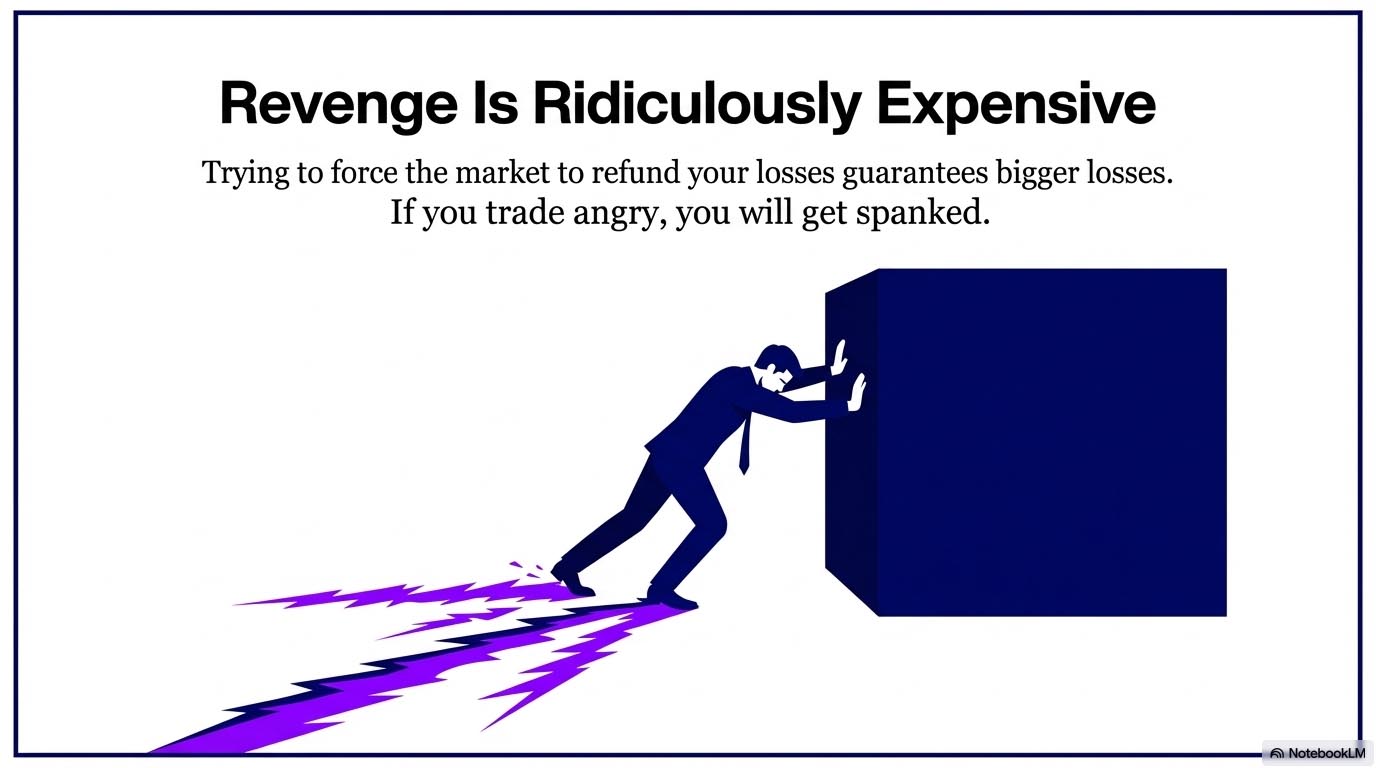
Revenge Trading / Trading Angry: The emotional and dangerous reaction of trying to force the market to “give back” money you just lost. The author notes that the market is impersonal, and trading angry usually just leads to getting hurt again.
Temporary Trading: The author’s preferred term for day trading, which involves opening and closing positions within the same day or hour without ever holding them overnight.