Almost at the end of Part 2, so let’s get into the Chapter 10 glossary. No need for a math degree here – this is just the practical housekeeping you need to know once you actually have skin in the game.
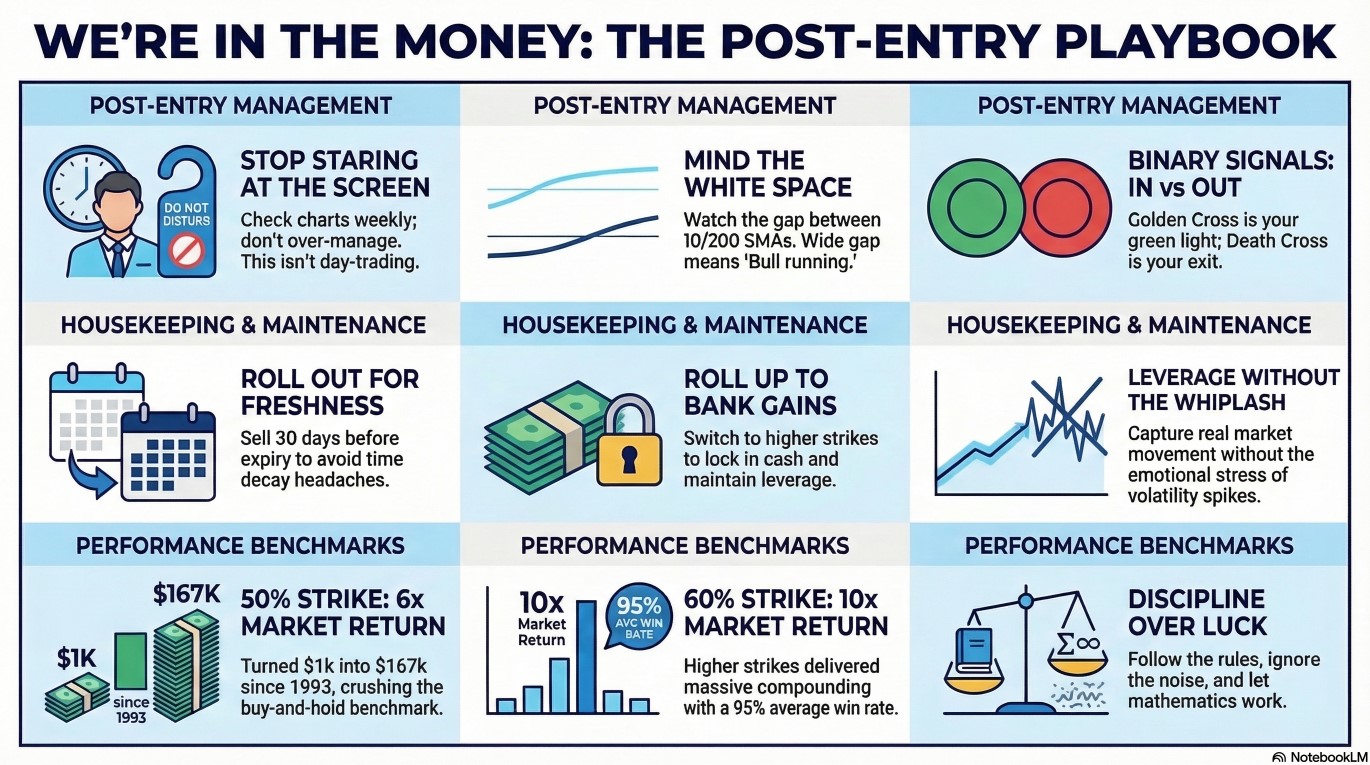
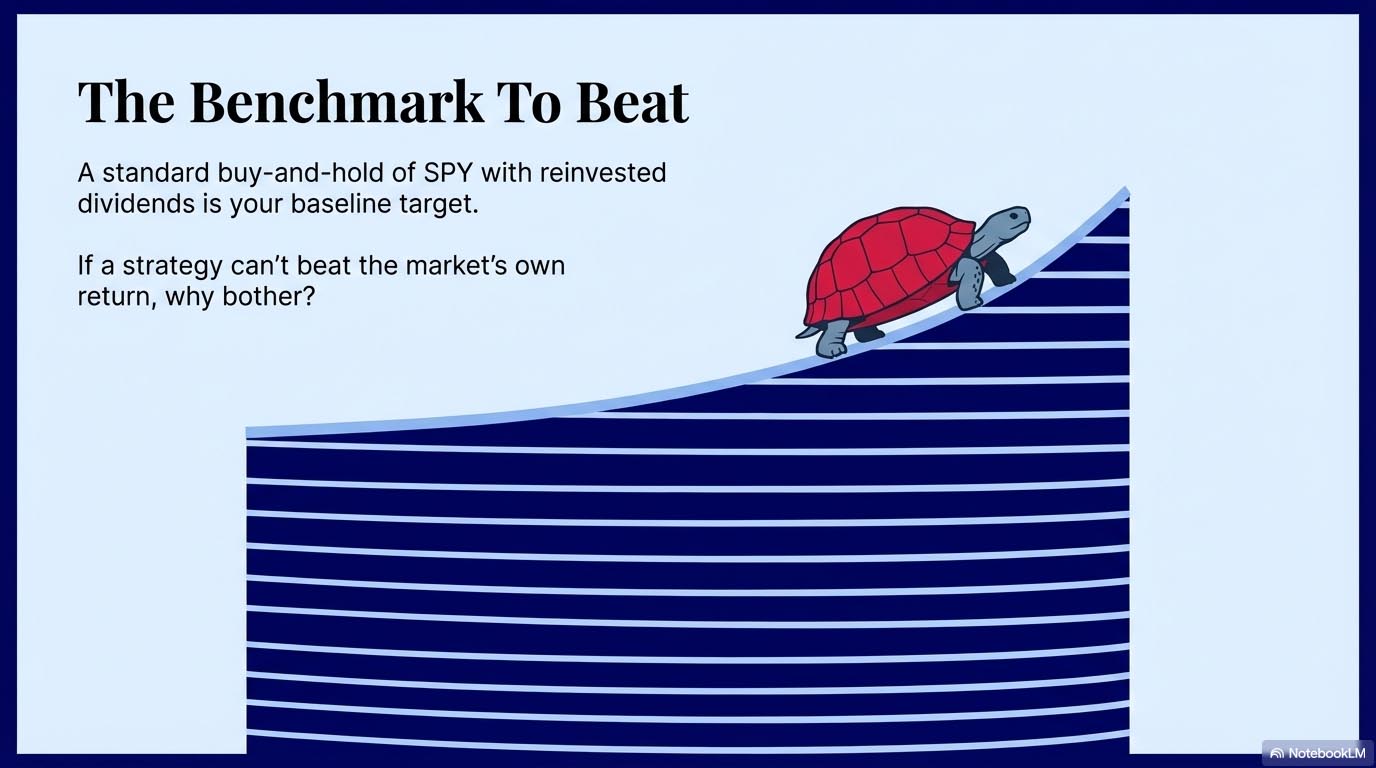
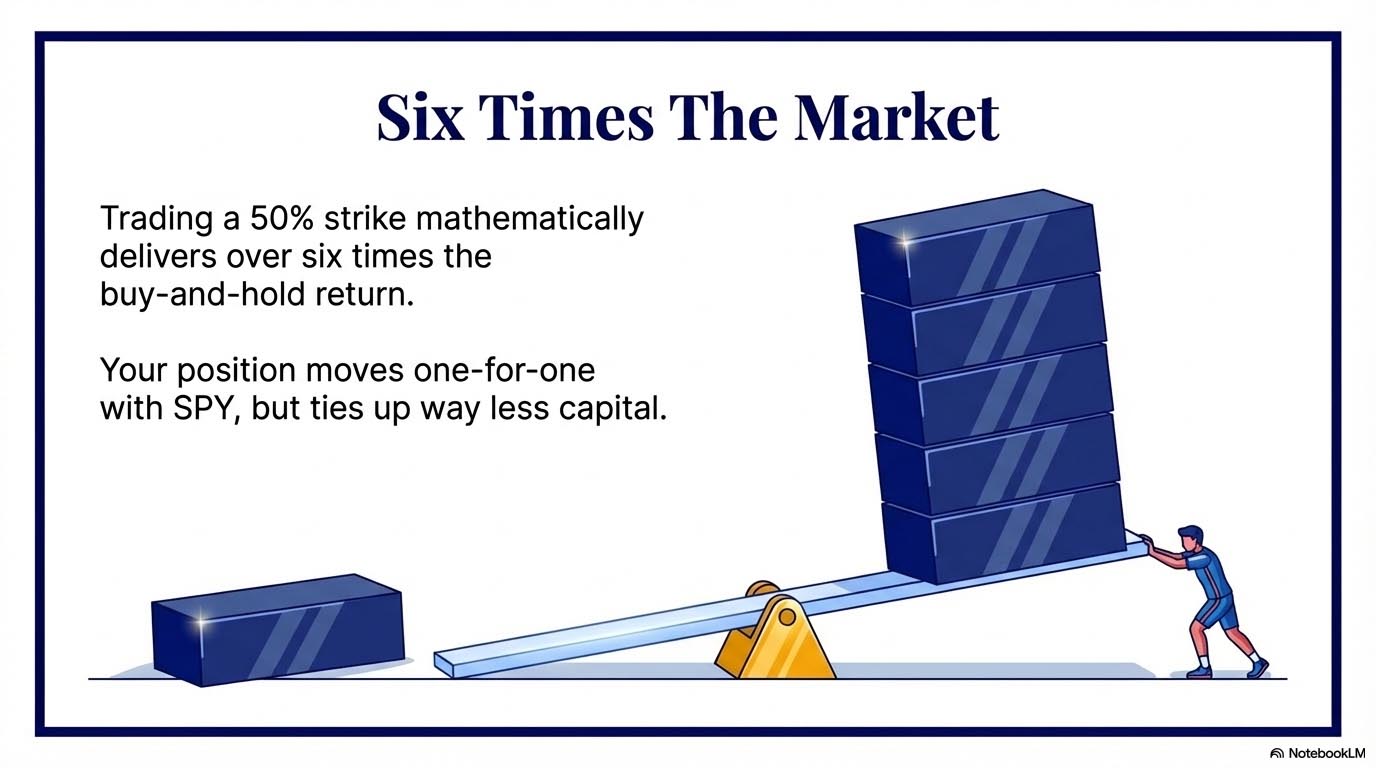
50% Strike Model: Our baseline approach where you buy a strike at 50% of the current price. It historically beats the market’s buy-and-hold return by more than six times.
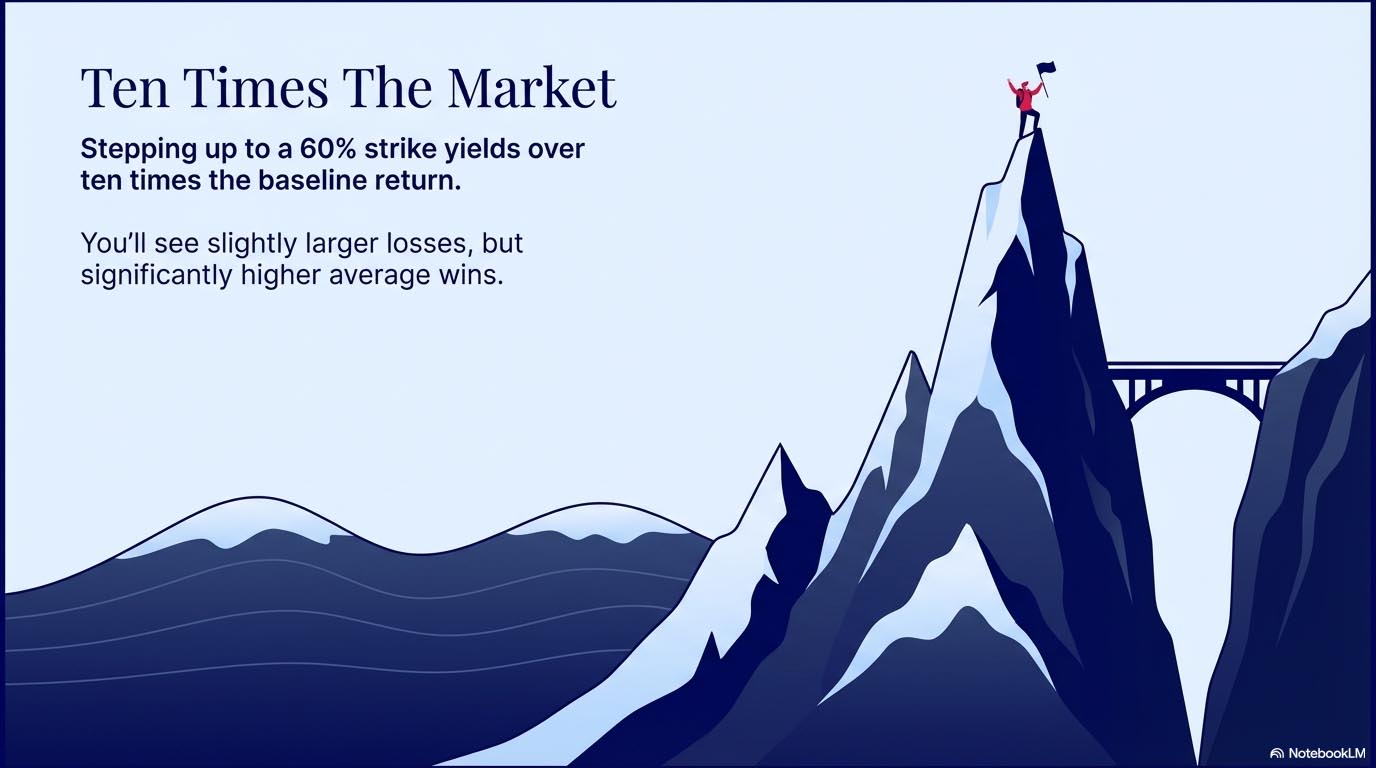
60% Strike Model: The more aggressive sibling. You use a 60% strike price for higher leverage. It naturally delivers even higher profits, but comes with slightly larger average losses.
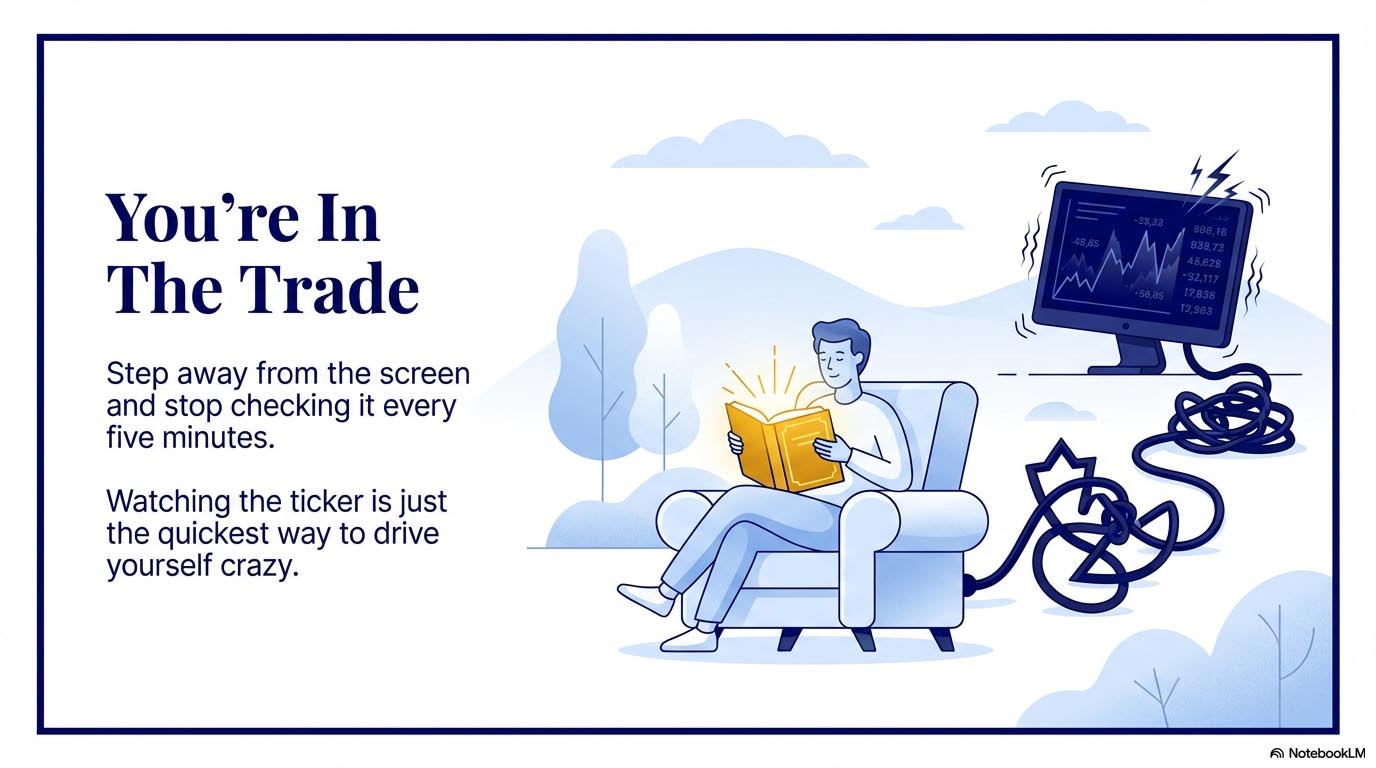
ITM Routine: Your basic housekeeping. Check the chart once or twice a week, watch the white space, roll up when your strike drops too deep, roll out 30 days before expiry, and ignore the noise.
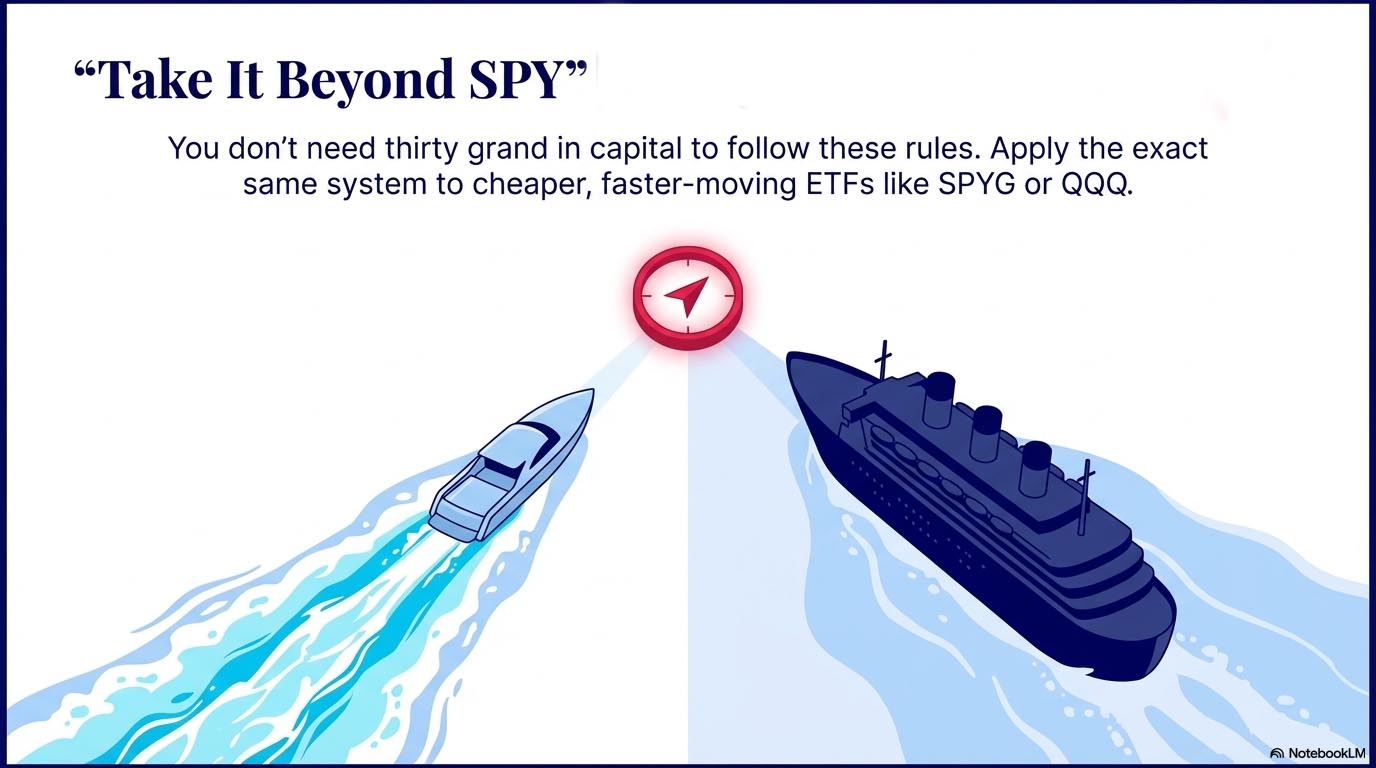
ITMS (ITM Small): A variation of the strategy built for smaller accounts. If you don’t have the roughly $30,000 needed to trade SPY, you use a cheaper ETF instead.
Linear Scale: The reason our long-term profit charts look like a hockey stick. It makes early years of compounding look completely flat simply because the dollar amounts are smaller, even though the percentage gains are huge.
QQQ: A more volatile ETF that tracks the tech-heavy Nasdaq 100.
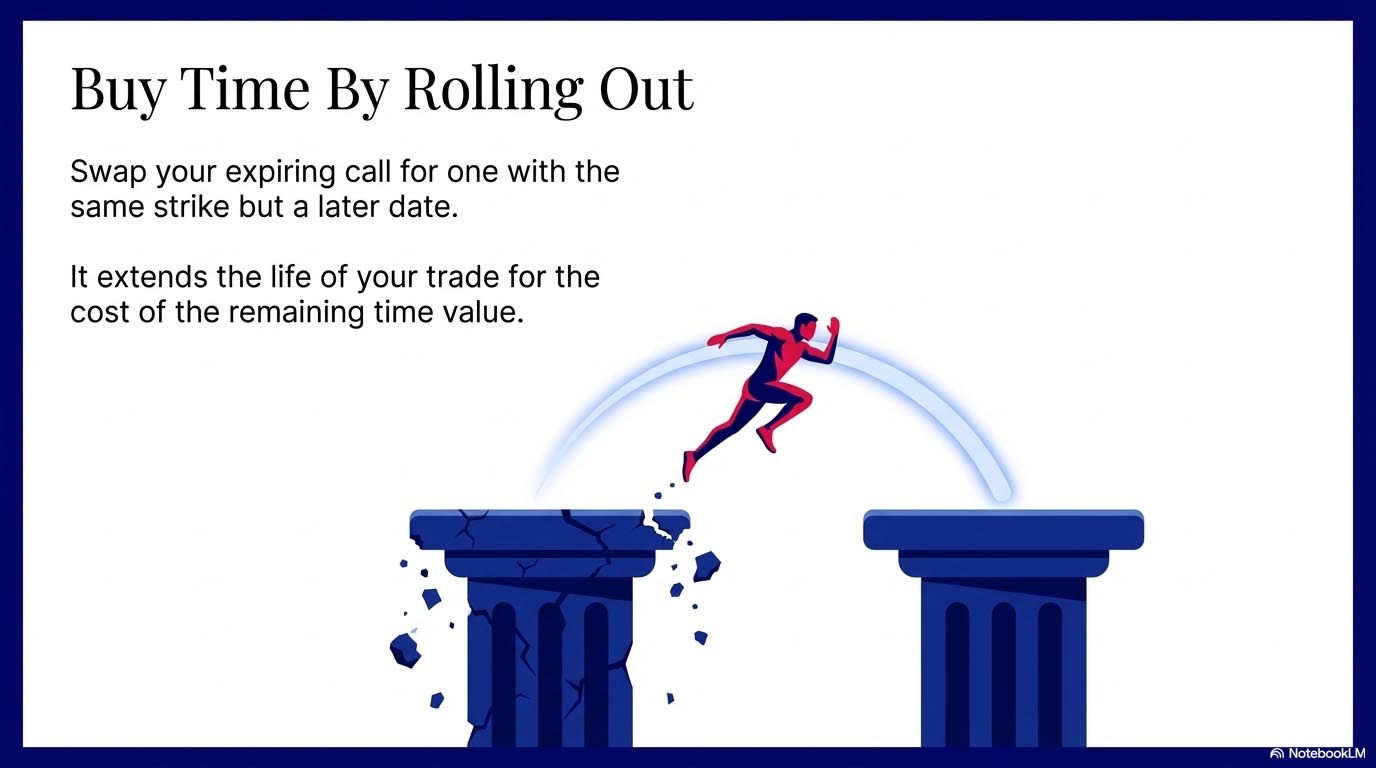
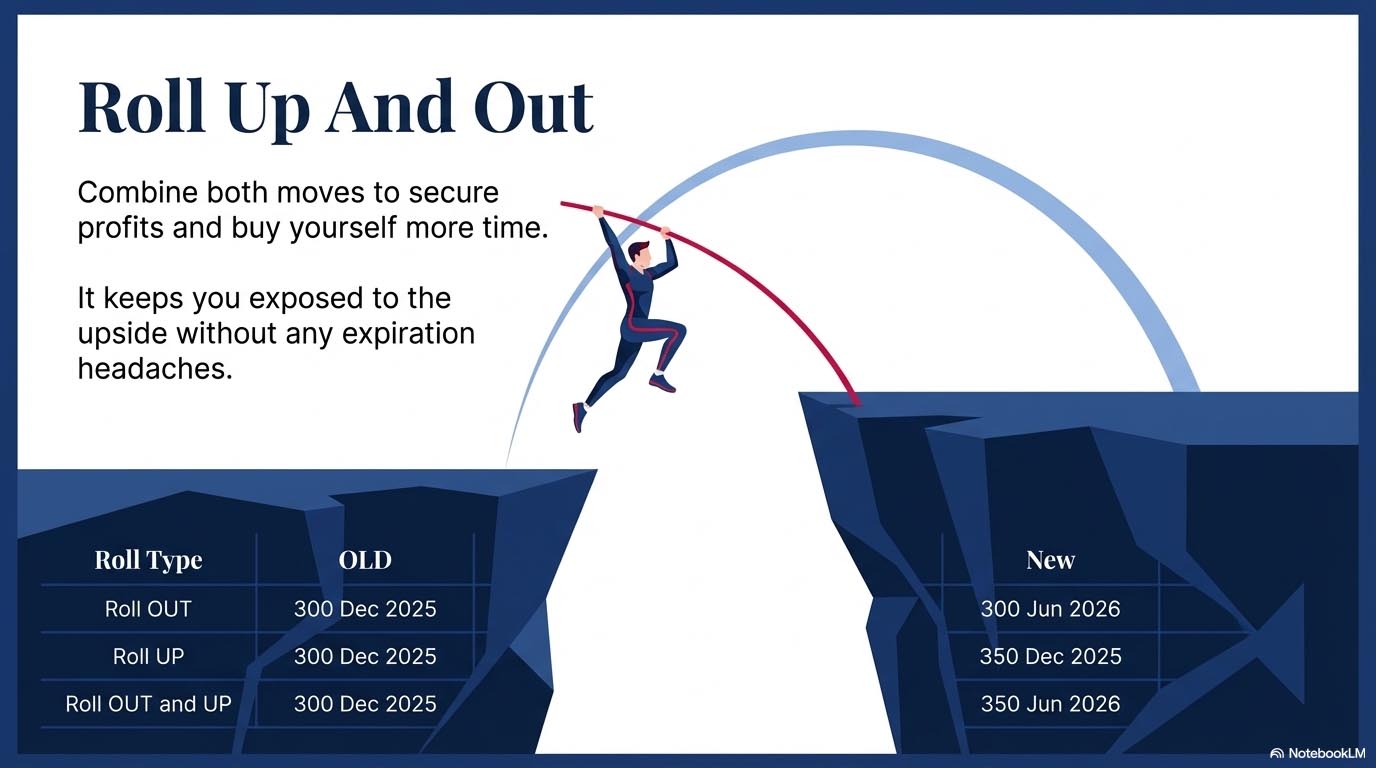
Rolling Out: Selling your current option and buying a new one with the exact same strike price but a later expiry date. You do this to buy more time.
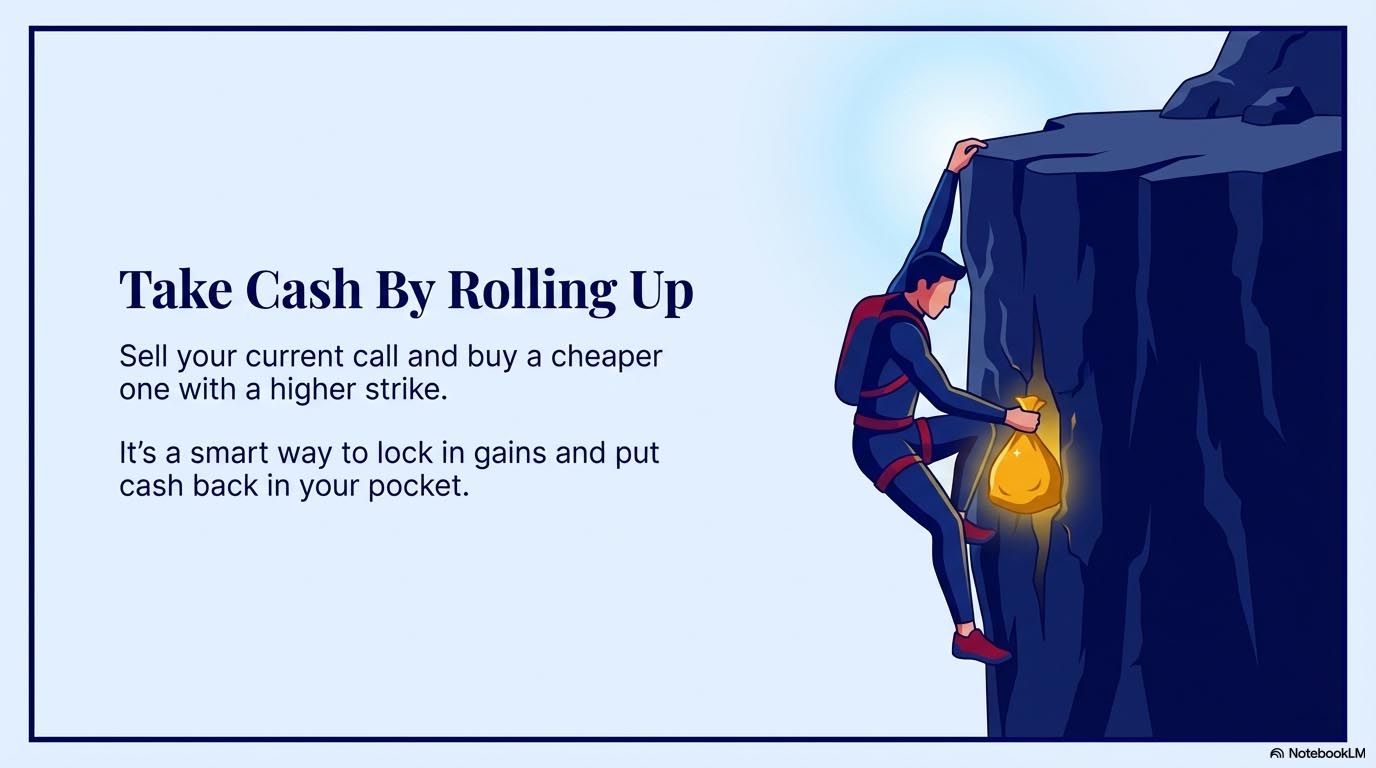
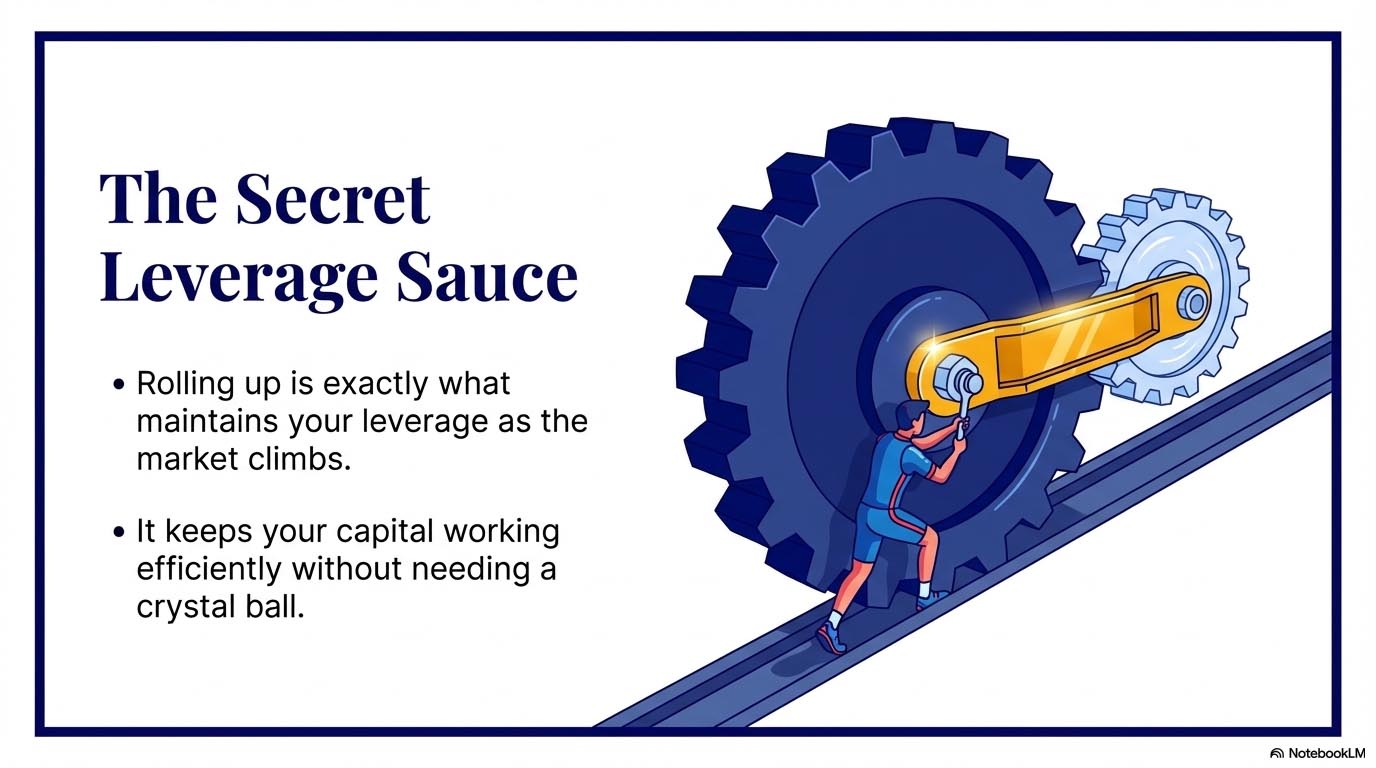
Rolling Up: Selling your current option and buying a new one with a higher strike price. This frees up cash and locks in your gains as the market climbs. We do this to maintain our leverage.
Rolling Up and Out: Doing both at once. You bump up the strike price to take profit and extend the expiry date to avoid headaches.
SPYG: A cheaper ETF that tracks the growth half of the S&P 500. It currently trades around $100, making it the perfect engine for ITMS.
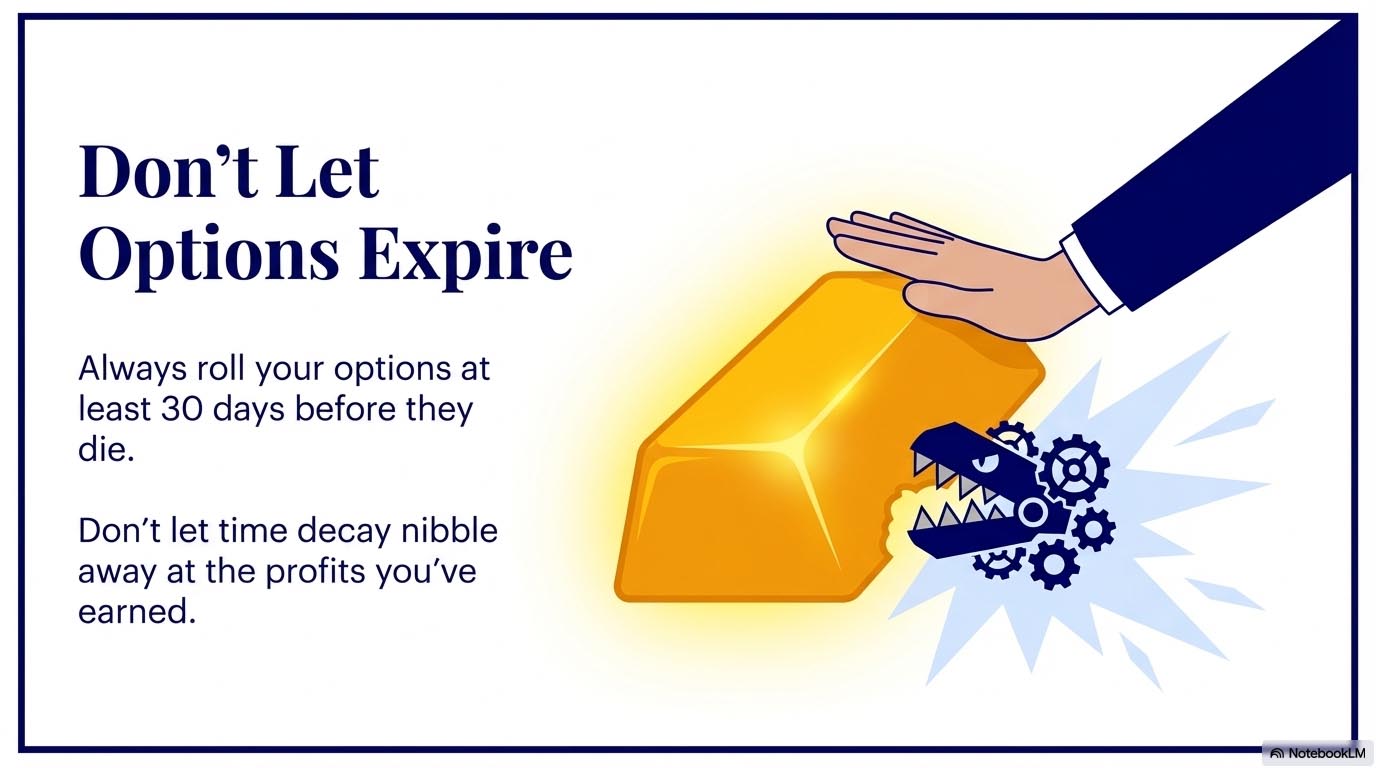
Time Decay: The slow leak in an option’s time value. It speeds up significantly in the final 30 days, which is exactly why we roll our options before they hit that mark.