


Are you in the Dopamine Loop?
How often do you check the market during the day? And be honest – do you check more when it’s going up or when it’s going down?
I’ll confess: I check far more often when it’s going up. When it’s going down, I look reluctantly and as infrequently as possible.
That tells us what’s really going on. It’s not “research” or “staying informed.” It’s chasing micro-hits of excitement. Positive hits, not negative ones.
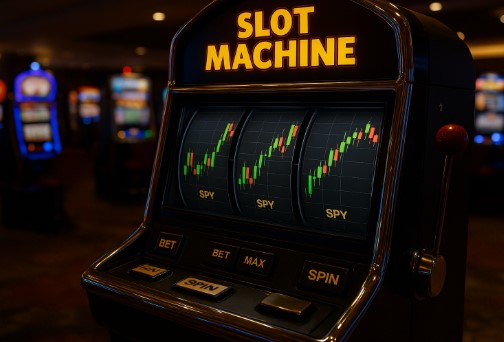
Stock Market? Or Slot Machine?

Treating the market like a slot machine is incredibly easy. Every refresh is a potential reward.
I remember this vividly from many years ago when I was playing (you couldn’t seriously call it trading) with forex. I had the 1-second screen up 24 hours a day – irresistible. Needless to say, I lost the lot and blew up the account.
Thankfully it was only a small, quarantined part of my portfolio, otherwise it would have been the end of my trading career.
An aside: too funny – was just checking that no-one was on the website while I was updating, and there was one user – guess where?

The Dopamine Loop
Do you look at the market the way people look at their phones? Compulsively scrolling even when nothing is happening? Here’s the Trading Dopamine Loop:
- Check the price.
- Get a little thrill (or a jolt of fear).
- Brain demands another hit.
- Repeat every 5 minutes.
Traders become chart-refresh junkies. Slow markets are the worst: boredom + anticipation = refresh-refresh-refresh.?
Dopamine Vs Endorphins
Even flat markets feel exciting when you keep refreshing because dopamine isn’t about pleasure – it’s about anticipation. It fires when something might happen.
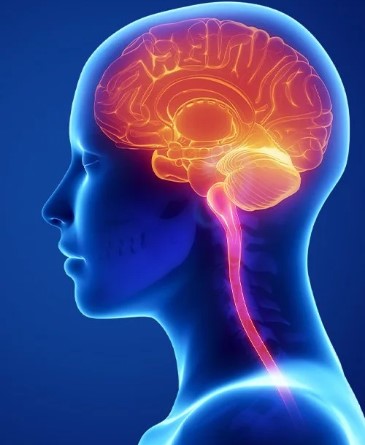
Dopamine
The “go get it” chemical
• drives motivation
• spikes during anticipation
• pushes you to chase rewards
• fires when something might happen
Endorphins
The “I’m lovin’ it” chemical
• produce feeling of pleasure or relief
• spike during enjoyable or soothing experiences
• create the ahh, that feels good sensation
• reinforces repeat behaviours
So yes – traders can absolutely behave like dopamine junkies.
Noise? Or Research?
Around 90% of what traders consume is noise: headlines, tweets, gurus, “breaking news” banners. It feels productive but it is actually destroying your focus. Humans love novelty, and markets generate an endless supply. The results?
- Overtrading – action replaces analysis.
- Narrative confusion – switching from one story to another.
- Emotional instability – constantly reacting to every tick.
- Impulsive exits – especially on red candles.
- Abandoning a perfectly good strategy.
This is the opposite of ITM’s strength: stable rules, long timeframes, no dopamine loops. And remember: brokers make more money when you trade frequently — hence the constant firehose of “news.”
How Professionals Avoid the Noise Trap
- Scheduled review times.
- Strict information diet.
- Pre-defined rules.
- No mid-day tinkering with trades.
- Avoiding live headlines.
Professionals reduce input, amateurs increase it. So – are you at risk?
Noise Addiction Checklist
- Do you look at the market more than three times a day?
- Do you scroll financial news without a specific question?
- Do you check your account in bed?
- Do you get “itchy fingers” when the market is boring?
- Do you feel uneasy if you’re not watching?
A “yes” to more than two? You’re in the dopamine loop.
Breaking the Dopamine Cycle
- Set fixed times to check markets (e.g., market open, midday, close).
- Remove news apps from your phone.
- Replace constant scrolling with scheduled weekly research sessions.
- Use rule-based systems (ITM) to eliminate impulsive decisions.
Not convinced? Try keeping a ‘noise log’ for two weeks. Record which pieces of information actually helped. Spoiler: almost none of it will.
Dopamine is a Terrible Portfolio Manager
So sack him. Show him the door.
Markets reward discipline, not hyper-vigilance – traders who check the least often perform the best.
Good strategies remove noise rather than add to it.
You can’t steer a ship by staring at the waves.
You steer it by watching the stars and the sun.

To the markets . .
Well, contrary to expectations it was a rather nice week! Surprising given that Thursday was Thanksgiving and Friday only a half-day.
SPY Charts
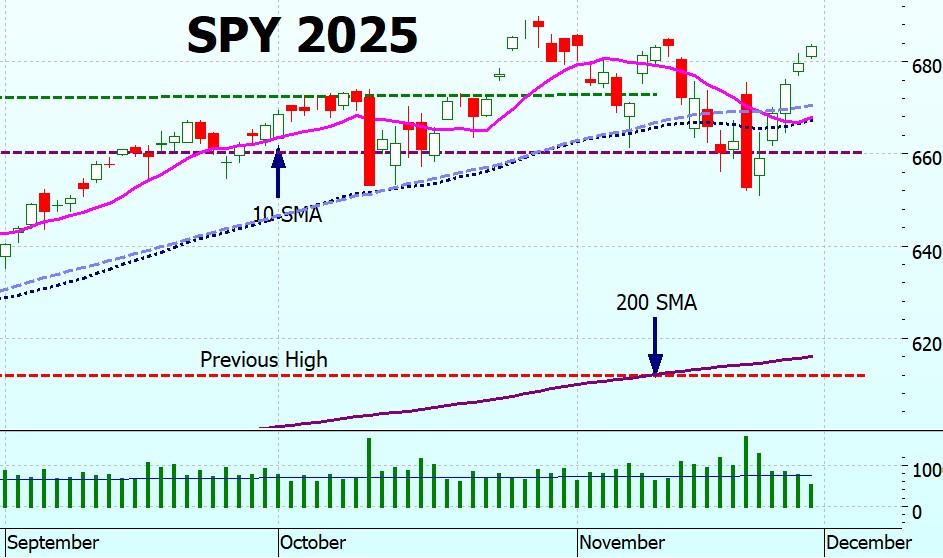
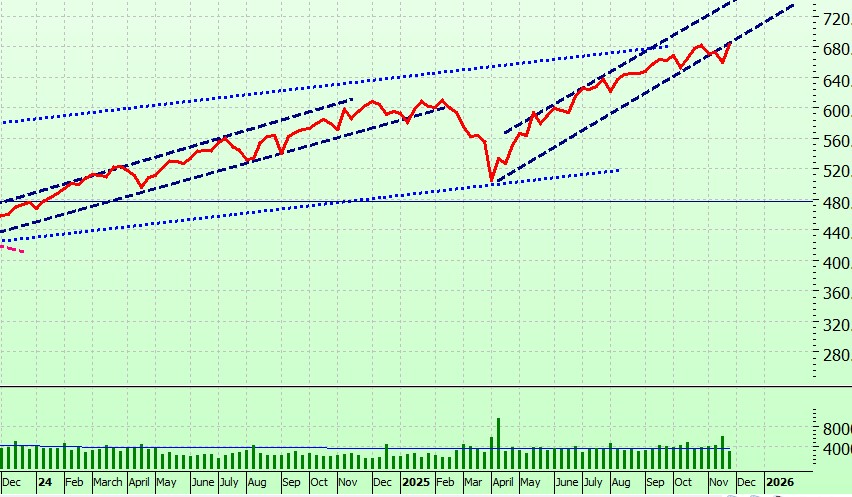
Well, 5 green candles in a row! Nice. Spy is back up near its October highs. The volume on Friday looks worrisome, but remember there was only a half day’s trading. Now that we are back over the 50 day SMA and EMA (neither of which we use for ITM, but we know that other traders watch them closely) traders will be rethinking their bearish trades.
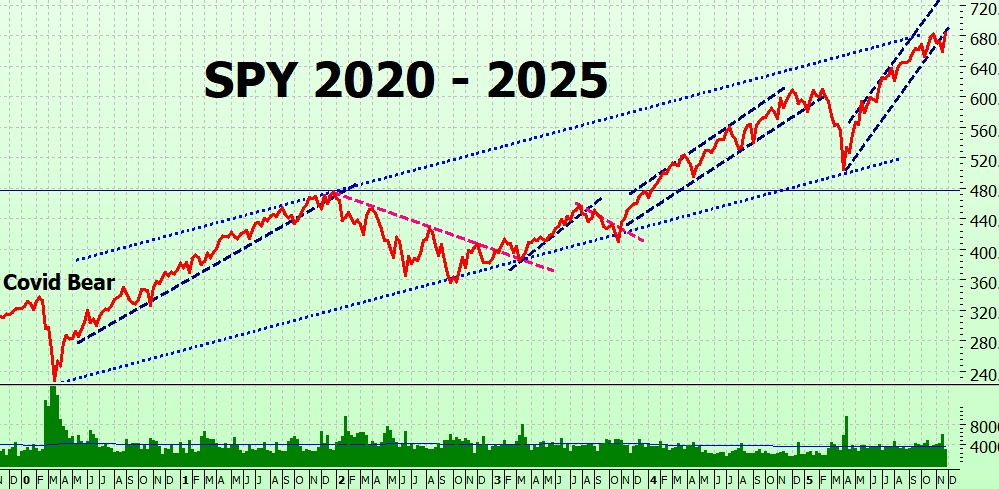
On the long term chart SPY is back up to the lower bound of the trading range – a good sign. I have expanded that so you can see it clearly.
SPYG Charts
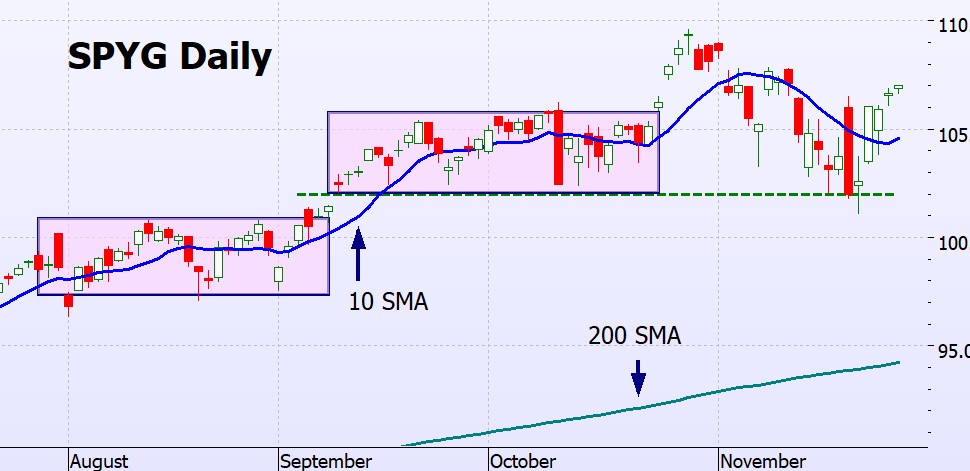
SPYG also had a good week – five up days in a row. Not quite back at its highs of October, but not far off. The support line we were hoping would hold (green dashes) did actually hold so that was good.
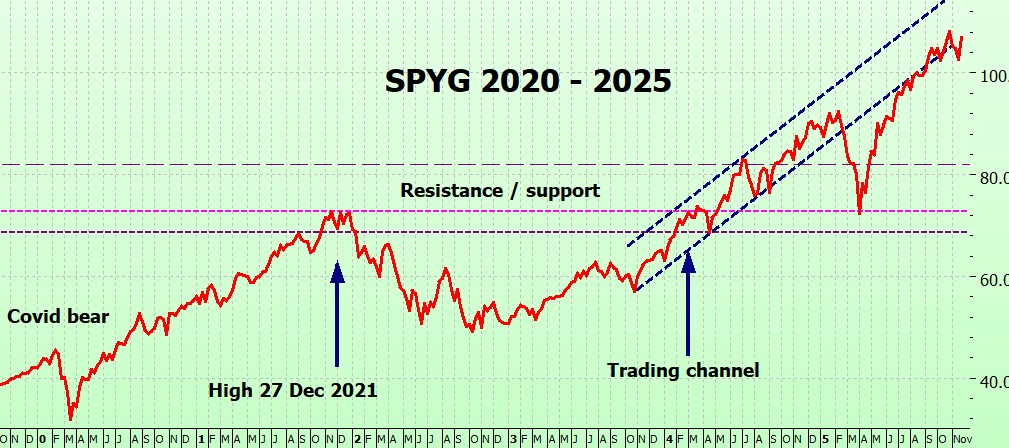
And on the long term chart we can see that it is back – just – in its trading range.
QQQ Charts
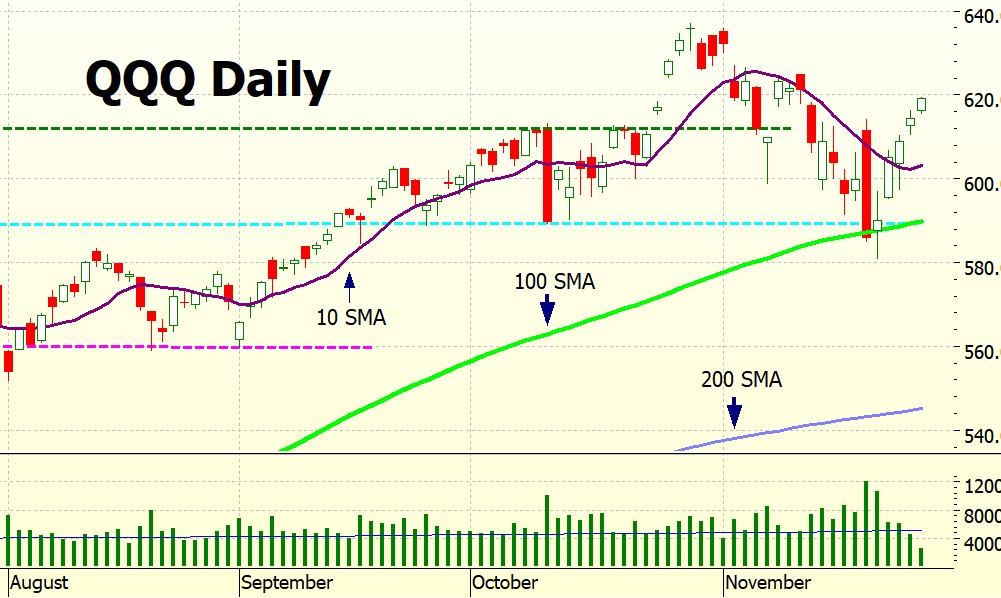
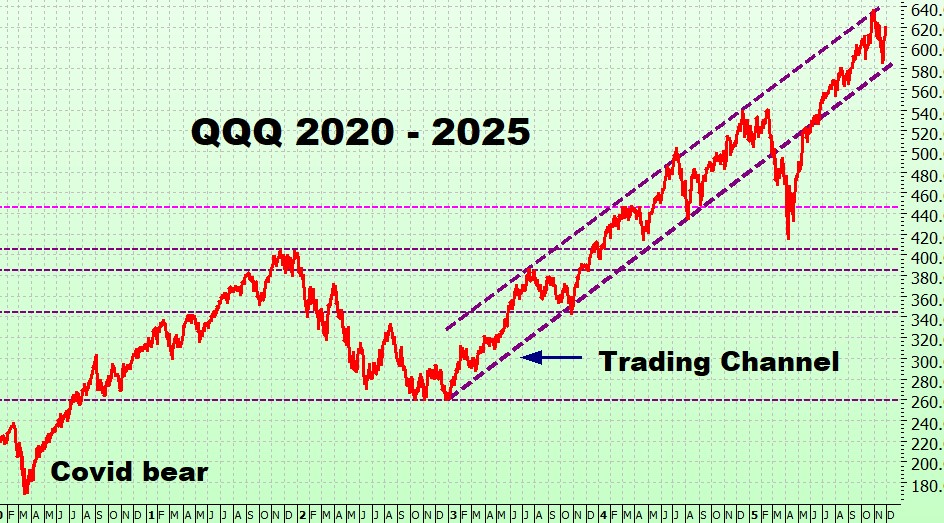
QQQ also had 5 up days in a row, and has also eclipsed the big red candle. Its not quite back to its highs.
And QQQ is back in the middle of its trading channel. Good.
VIX Chart (Volatility)
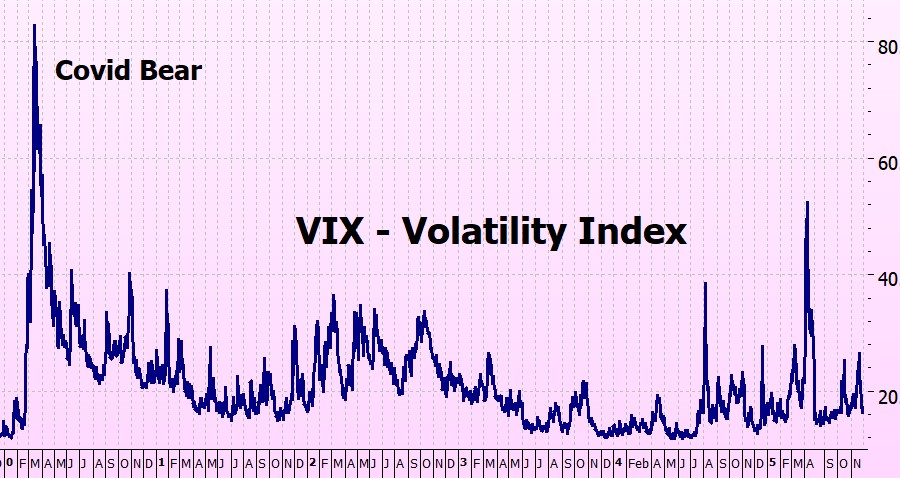
The VIX has calmed down after its temper tantrum, back under 20.
ITMeter

The week ahead . .
A few things on the calendar this week. On Wednesday (3 Dec) we get the ADP jobs numbers, the ISM/PMI updates, and the Import Price Index — all useful for gauging how hot (or not) the economy is running. Then on Friday (5 Dec) the delayed PCE and Core PCE figures land, and these matter because they’re the Fed’s preferred inflation measure.
Earnings are steady rather than dramatic, with CrowdStrike, Marvell Technology, Okta, Pure Storage, Salesforce, Snowflake and Dollar Tree all reporting.
As for Cyber Monday sales, there’s no single “official” release time – firms like Adobe and Salesforce publish their estimates on their own timetable, usually a day or two after the event.
The Futures
The futures are looking rather dismal – to be expected really, people will be cashing out after last week’s rises. Wimps.
Off gallivanting again . .
Today is the first day of summer – and it is glorious! 35 degrees, sunny, and the beach this morning was beautiful! I am going down south this week so may be a little tardy in answering questions – but I will keep tabs on the market. I am back Sunday night so the blog will go out as usual. Looking forward to it. Here’s where I am staying:

Fingers crossed for a good week!
Heather
Trade the tide, not the waves
Q & A
Related Posts
- Trading The Bear!
In The Money: Bear Trading Strategy The new book in the In The Money series…
- Trading & Emotions
Trading and Emotions. Last week was a bit of a roller coaster – well, to…
- Trading the Bear Market
So the Bear Won! There’s no doubt about it: we are in a bear market.…























18 Responses
Dear Heather,
How is the book coming along?
I cannot wait until January 2026
to read it. Happy Holidays to all.
George Henry
Hi George Henry – the fitst draft is complete – starting on the second draft today. Then building the website stuff to go with it. Aiming for January still – just need to put my head down, tail up and get on with it.
I am very pleased with how it is shaping up, i think it is going to be the best of all my books.
x
h
Greetings… and thanks for your books and blog!
Here’s a slightly off-topic question:
The powers that be at Invesco want to change QQQ from a Unit Investment Trust to an open-end fund structure. Does this present any advantages or disadvantages that would affect an ITM approach to investing in QQQ?
Thanks
Hi Stephen – I must say I haven’t read all the emails about this that Schwab is swamping me with! So this is the first time I have looked at it in detail. I drafted an answer to your question but it got so long and involved I gave it to GPT and told him to summarize it and check for correctness. Here’s the summary:
Invesco wants to convert QQQ from a Unit Investment Trust into a standard open-end ETF structure. Practically, nothing changes about what QQQ invests in — it will still track the Nasdaq-100 exactly as before. The main differences are operational: a slightly lower expense ratio, more flexibility in how the fund handles creations/redemptions, the ability to use custom baskets, better internal handling of dividends, and access to the securities-lending revenue that most modern ETFs already use.
For investors who simply hold QQQ, this is a small net positive: marginally lower costs and slightly improved fund efficiency. For an ITM-style strategy or anyone using options on QQQ, the impact is essentially neutral. The structural change does not alter volatility, option pricing, time decay, liquidity, or the way the ETF moves relative to the index. Deep-ITM calls, ATM calls, and OTM calls will behave exactly as they do now.
In short: a modernised structure and a minor upgrade for shareholders, but no meaningful change to how an options-based QQQ strategy behaves.
Hope this helps!
h
On the QQQ conversion to ETF. It looks like they just missed the needed votes 50% but not 51%. They adjourned to try to reach voters. It makes sense from a shareholder perspective- lower fees are going to be better. Hopefully they can find a few more votes quickly.
Hi Kate (?) – thank you for updating us!
x
h
Dear Heather and ITM Readers,
It is funny how you mention Las Vegas in this weekly blog. Many traders are often behaving like gamblers at casinos. Therefore, we need to be aware of this losing tendency and stay away from it. What I like and I appreciate about the ITM Method by Heather Cullen is it has been backtested multiple times and it focuses mainly on SPY and SPYG.
Thank you George Henry!
Hi Heather, Just fished your ebook and wondering if you have any strategy for entering the SPY during a bull run, apart from the 10/200 crossover? I’m thinking not, but no harm asking! Cheers, Richard.
Hi Ruchard – no just the 10/200 crossover, but making sure that it has actually crossed. The back testing has all been done on that basis.
It is slightly different for bear trades. and for QQQ – I will explain all in the next book!
x
h
Thanks Heather!
I am guilty of checking the SPY OFTEN, and especially the futures (which tends to be meaningless) . Luckily, I have learned to be disciplined enough to never change my trade midstream. But it sure is hard sometimes….
Hey Michael – I have done that so often in the past – but trading from Australia the market opens at 10:30 at night so you tend not to stay too long! Although I have had a few 3AM nights . .
Everyone in Australia starts work so early I have floor sanders here ATM and they were here before 7AM.
Brutal if you have been up too late.
x
h
Vegas?
That was probably me. Hahaha
I always like to check reader comments and your responses.
Looking forward to your new book
Have a great holiday season!
Hi Al – I thought it was funny – had just put up the image of the casino, checked the website – and the only user was in Las Vegas!
It amused me no end – I wondered if the casino bosses had been tipped off! Glad the image was totally legal!
I’ve only been in Las Vegas once, some years ago – I’m sure it has changed a lot since then.
x
h
My question: Can your DITM strategy also be applied on QQQ and other ETFs ?
Gareth
Yes. Many of us allocate a portion of our funds to DITM QQQs.
Hi – just a caution here – the 10/200 is not the ideal crossover for QQQ. Have been backtesting and discovered a better one – because QQQ is more volatile than SPY.
Not trying to be mysterious – will be in the new book – just want to make sure I have everything absolutely correct before I putblish.
x
h